-
Give

At Carlow University, the next generation of ethical leaders is already in the making.
Here, our students gain more than just a degree – they build connections, find purpose, and thrive – working in ways big and small to reshape the future. With your support, we can continue to invest in these future leaders and expand their ability to transform our world.
How You Can Support
At Carlow University, the next generation of ethical leaders is already in the making.
Here, our students gain more than just a degree – they build connections, find purpose, and thrive – working in ways big and small to reshape the future. With your support, we can continue to invest in these future leaders and expand their ability to transform our world.
How You Can SupportMinor in Child Development
You can learn about the social, biological, emotional and cognitive factors that affect children’s development with Carlow’s Child Development minor, open to non-Psychology majors.
Child Development minor curriculum
The Child Development minor is open to any major. A minimum of 18 credits is required; at least 9 credits must be 200 level or higher, and 12 must be taken at Carlow.
Required courses include:
- Introduction to Psychology
- Lifespan Development
- 6 credits in human development
Devoted to a Focus on Clinical Practice
Program Overview
Carlow University’s PsyD program in Counseling Psychology is dedicated to training skilled depth-oriented counseling psychologists who are committed to social justice. The program is designed to prepare students to work in diverse settings and communities, with a focus on promoting positive change and addressing social inequalities. The program emphasizes evidence-based psychodynamic and depth-oriented approaches in counseling psychology as well as the biological, affective, cognitive and social bases of behavior. We provide students with rigorous training in assessment, diagnosis, intervention, and consultation for individuals, groups, communities, and organizations. Through a combination of coursework, practicum experiences, and research opportunities, students develop the knowledge and skills needed to become effective practitioners.
At the heart of the program is a commitment to social justice, which is reflected in both the curriculum and the overall approach to training. Students are exposed to a wide range of social issues and are encouraged to critically examine their own beliefs and biases. They are also trained to work with individuals and groups from diverse backgrounds, and to address social and systemic factors that may be contributing to psychological distress. The program emphasizes the development of ethical and culturally humble practitioners who are able to work collaboratively with other professionals and community organizations.
Students have the opportunity to work with faculty members who are experienced practitioners and researchers in the field, and to engage in a range of professional development activities. Overall, Carlow University’s PsyD program in Counseling Psychology provides students with a comprehensive depth-oriented and socially responsible education.
The program was granted accreditation by the American Psychological Association (APA) in July 2011 and was re-accredited according to the standard seven-year interval in the fall of 2018. The program is currently accredited for the maximum of 10 years, with a 2028 return visit expected from APA.

Credits required:
92 credits
Cost per credit:
$1,228/credit
Time to degree:
As few as 48 months
Delivery:
On campus, some online
Doctorate of Psychology Curriculum
Training Model: Practitioner-Scholar
The Doctoral Program in Counseling Psychology at Carlow University is implemented through the practitioner-scholar model of training and the Doctor of Psychology (PsyD) degree is conferred.
The program prepares Counseling Psychologists to apply knowledge grounded in psychological science and theory in support of clinical practice. Specifically, the program is committed to training scientifically sophisticated practitioners who evaluate treatments, make informed decisions, understand the limitations of scientific knowledge, and cultivate an intellectual curiosity in their professional activities.
The Doctor of Psychology (PsyD) degree focuses on training skilled clinicians who intend to be licensed and primarily practice as licensed psychologists. Applicants who are exclusively or primarily interested in assuming positions as researchers or academics are encouraged to consider more research-oriented training programs, such as those implemented through the scientist-practitioner model of training.
Quick facts
- Enroll in a top-50 doctoral program
- Learn through emphasis on social justice values
- Take advantage of practicum relationships with agencies in the Pittsburgh region

Career Opportunities for Doctor of Psychology
Counseling psychologists work in private practice, community agencies and college counseling centers and in research positions. Others work as part of a team, collaborating with physicians and social workers, or in school settings working with students, teachers, parents and other educators.
Employment of psychologists is projected to grow 19% from 2014 to 2024, according to the U.S. Bureau of Labor Statistics. Job prospects should be best for those who have a doctoral degree in an applied specialty.

Accreditation
Carlow University’s doctoral program in Counseling Psychology (PsyD) has had its accreditation reaffirmed by the American Psychological Association’s (APA) Commission on Accreditation. The next site visit to be made by the commission will be in 2028.
What is the difference between Counseling Psychology and Clinical Psychology?
Training programs in Counseling Psychology and Clinical Psychology share many similarities, but historically there were key differences in their foci, goals, and the populations they served. Here’s an overview of the main distinctions between these two fields:
- Counseling Psychology: Our counseling psychology program focuses on helping individuals with everyday life challenges, personal growth, and adjustment issues. We aim to promote mental well-being, resilience, and self-actualization. Though historically, counseling psychology has placed less emphasis upon the assessment, diagnosis and treatment of individuals with severe and complex psychological disorders, our program does prepare clinicians to treat the full spectrum of psychological concerns. The primary goal of our program is to train clinicians to provide assessment, diagnosis, and treatment to help clients improve their overall functioning and quality of life regardless of the severity of their concerns.
- Clinical Psychology: Traditionally, clinical psychology programs have tended to place a greater emphasis upon psychopathology and more severe and complex psychological disorders.
Because of the historical differences between counseling and clinical psychology, a perception may linger that counseling psychologists are not well suited for work in settings that engage with more serious psychopathology, such as hospitals and prisons.
Licensure and Certification
Both counseling psychologists and clinical psychologists may pursue licensure to practice independently as licensed psychologists. The specific requirements for licensure vary by state or country but generally include completing a doctoral program, supervised clinical experience, and passing a licensing exam.

The Student Experience
University-Wide Student Support Services
Students have access to a wide range of support services including Wellness and Fitness Services, The Office of Career Development, Financial Aid, and the Center for Academic Achievement
Counseling Psychology Doctoral Student Association
The primary purpose of the Counseling Psychology Doctoral Student Association (CPDSA) is to offer students a structured way to connect around issues of shared importance and advocate for their interests and concerns. Early during each spring semester, students will elect three representatives (one from each cohort) to serve on the Counseling Psychology Doctoral Student Association Council of Representatives. Student representatives are invited to attend formally scheduled program faculty meetings and are encouraged to report to the CPDSA a summary of the meetings.

Student Mentor (Buddy) Program
In the summer before first-year doctoral students begin their training, all students are matched with a more advanced doctoral student in the program. The seasoned students assist the new students in helping orient them to the Pittsburgh region and in navigating the rigors of advanced graduate studies in psychology.
Program Director, Clinical Coordinator, & Academic Advisors
The Program Directors, Clinical Coordinator, and Academic Advisors are faculty members who support student learning and growth during doctoral level training. Students should feel free to approach the Program Directors, Clinical Coordinator, PsyD Core Faculty, or their Academic Advisors for guidance with academic or professional issues at any point during their training.
Internship Application Preparation Seminar
An informal seminar is provided for students applying for internship by the Clinical Coordinator. It takes place the fall term during which applications are submitted. Under faculty mentorship and through peer support, students are provided with an overview of the internship application process and helped with preparation of their curricula vitae and cover letters.
Technological Support
The Carlow Information Technology Department provides a broad range of technology services for all members of the Carlow community. Information technology staff is available for student, staff and faculty support and free, non-credit computer courses for all members of the community are offered regularly. There are 10 student computer labs located across campus, and most classrooms are classified as “smart classrooms.”

Program Resources
As a PsyD student, you will have access to a wide range of resources in support of enhancing the clinical training experience. The campus is well equipped with regard to technology and the doctoral program has discipline-specific material to augment student learning in the practice of psychology.
Student Funding
Currently two to four graduate assistantships (GA) are offered each year and are typically reserved for first year students. Graduate Assistants provide administrative and research support to program leadership and teach one undergraduate course. Graduate Assistants receive an annual stipend and tuition remission for 6 credits in both the fall and spring semesters.
Courses are offered in the evening to accommodate students who must work part-time while pursuing the doctoral degree. Since all Program students have a master’s degree in counseling or a closely related field, many are involved in the provision or supervision of psychological care in relation to their employment.
Students working on their dissertation are eligible to apply for up to $400.00 each to defray associated expenditures.

Physical Facilities
While the program has access to the physical facilities of the University across campus, the Counseling Psychology program is housed in Antonian Hall. Antonian Hall is adequately equipped with smart-classrooms and wireless internet access. The program itself is on the fifth floor where faculty offices are in close proximity to student work space and the student lounge, which allows for regular interactions among those in the program community. The student lounge is equipped with three computers and access to a copier/scanner, as well as a microwave and a refrigerator.
Training Materials and Equipment
In support of training in psychological assessment, students have access to over 60 different personality, achievement, and intellectual instruments, many of which include multiple copies to ensure availability.
The main campus library collection is housed on three floors of the newly updated University Commons building in the heart of campus and the library also offers an extensive collection of virtual resources. On campus, space is available for both quiet study and group meetings. Reference Librarians are available during most library hours to offer the students one-on-one reference assistance.
Internship Application Preparation
All students are required to participate in the APPIC Match which takes place the of third year of study. An informal seminar is provided for students applying for APPIC Match internship by the Clinical Coordinator.
Under faculty mentorship and through peer support, students are provided with an overview of the internship application process and helped with preparation of their curricula vitae and cover letters.
The APPIC Internship Match is a national placement process that will necessitate a relocation. Practically speaking this means that you will need to plan to relocate for your internship year.
Practicum Training
The program has established relationships with a significant number of agencies in the greater Pittsburgh area. These training sites are varied with regard to population served and services provided, thereby affording students access to rich clinical experiences. Examples of training sites include hospitals, college counseling centers, community and rural mental health practices, private practices, and specialty sites focusing on forensic and neuropsychological practice.
Pennsylvania regulations that went into effect on August 12, 2019, now permit doctoral psychology students to count practica hours in lieu of post-doctoral hours, if a total number of pre-doctoral hours are achieved. To facilitate direct entry into psychological practice as per Pennsylvania regulations that went into effect on August 12, 2019, now permit doctoral psychology students to count practica hours in lieu of post-doctoral hours, if a total number of pre-doctoral hours are achieved. To facilitate direct entry into psychological practice as per Pennsylvania state regulations, Carlow University’s PsyD program in counseling psychology requires 18 credits of practicum training (6 semesters of practicum seminar assuming 3 credits are earned each semester of practicum seminar). This will total 1800 hours of direct and indirect field placement experience. Typically, a single commitment to a practicum training site experience is a year-long (three semesters: summer, fall, and spring).
Students are strongly discouraged from planning to work full-time while they complete the doctoral program. Many students who have worked full-time during their bachelor’s or master’s level training believe they will be able to do so with their doctoral training experiences, however, doctoral level training is much more demanding than bachelor’s and master’s level training. Nearly all students who attempt to work full-time after commencing practicum training in the summer of the first year find that they cannot meet the 50+ hours per week expectation of training and simultaneously maintain full-time employment.
International Training Opportunities
Currently, the Doctoral Program in Counseling Psychology at Carlow University offers opportunities for international study in Ireland and Uganda.
IRELAND
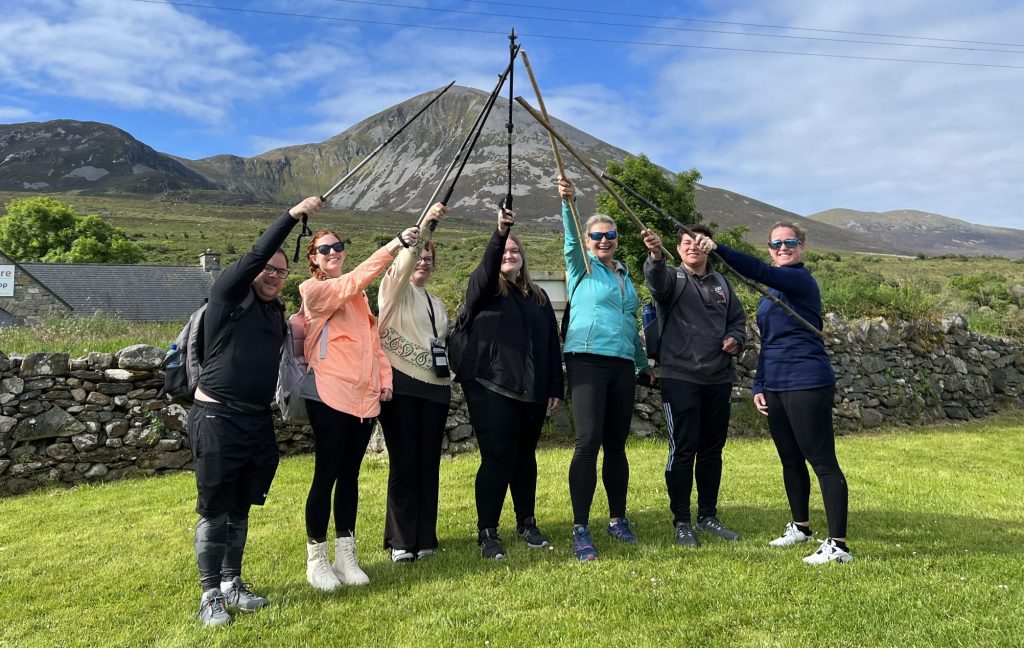
This one-week program is designed jointly by faculty from Carlow University and St. Angela’s College in Sligo, Ireland. Students learn about the mental health system in Ireland and about the content and process of service delivery to those with special needs. In addition, students explore issues related to diversity and social justice within the Irish culture and how they relate to psychosocial functioning and mental health. The trip is further characterized by exposure to a different culture through touring and educational outings. The course includes readings that are to be completed prior to departure, full participation in activities in Ireland and a major paper or project.
UGANDA
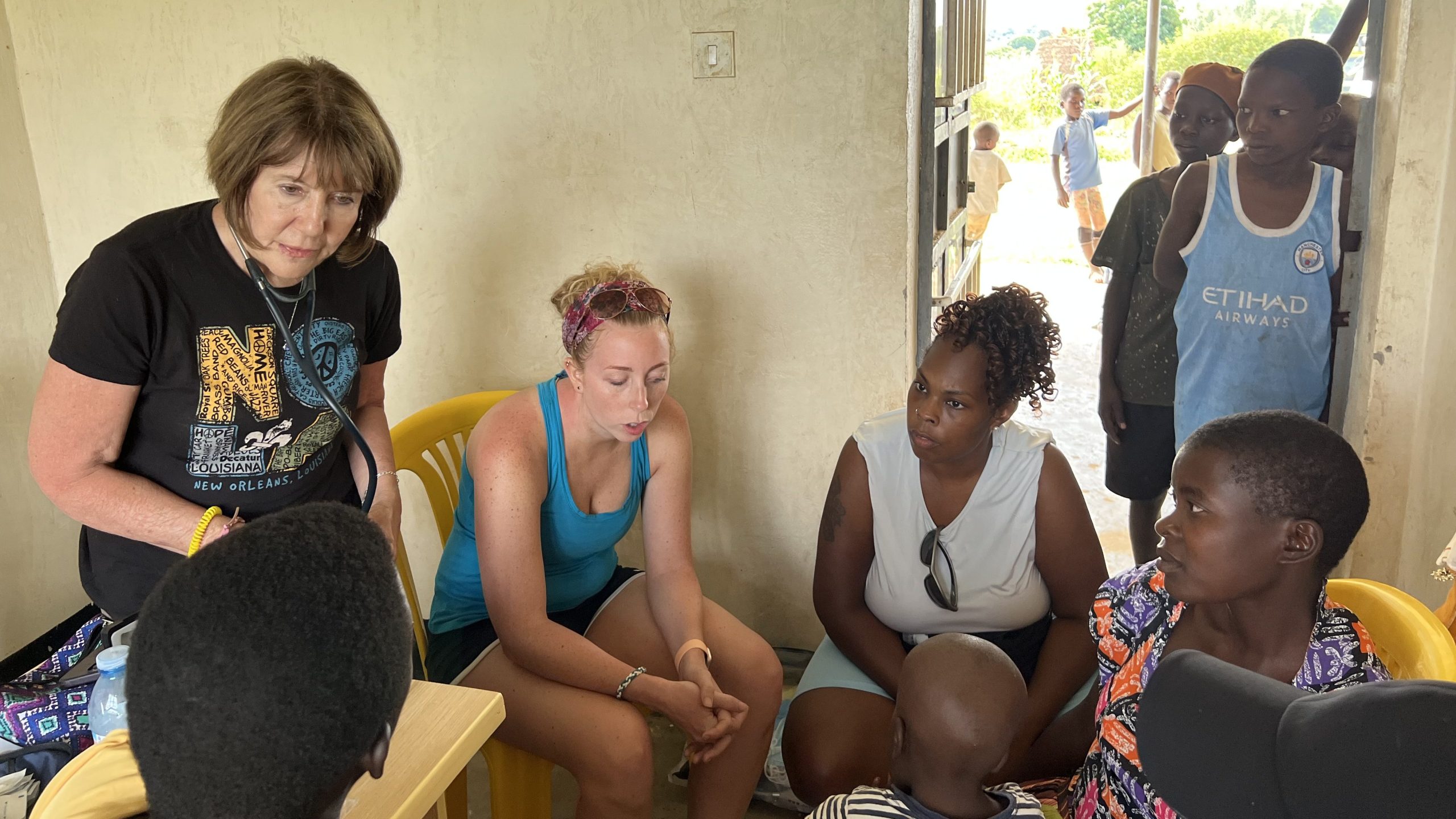
Doctoral students can participate in a number of ways in the collaborative work being done by Ugandan citizens and Carlow faculty.
Initiative 1
Counseling, Trauma and Gender Based Violence Training
This initiative is being carried out with Carlow faculty and doctoral students in collaboration with Advocacy for Vulnerable Children’s Rights (AVCR). According to annual crime statistics by the Uganda Police, domestic violence and sexually related offences account for a significant proportion of complaints received by law enforcement. Those studying or otherwise interested in this social problem attribute domestic violence in the country (most notably violence against women) to culture and tradition. The Uganda government struggles to provide an infrastructure to meet the needs of its citizens which means that not unlike many societies, change must begin at the grassroots level.
Collaboratively established goals include: Mobilizing and engaging community members (e.g., women, men, local institutions, and policy makers in the region) to collaboratively determine how they may be involved in creating a movement in their region to promote more safe and equitable relationships, provide psychoeducation through a series of ongoing lectures and discussion groups about safe relationships/gender violence, create and implement an advertising campaign (through the very popular use of radio) about the dangers of gender violence, and to create a Uganda-culture specific school-based curriculum to propose to regional schools.
Initiative 2
Human Trafficking Uganda: Community-based Collaboration in Support of Prevention of Trafficking and Survivor Identification.
This initiative is being carried out through in collaboration with the Ugandan government and citizens. Two regions were identified as the initial focus of the work of this project; the Mukono District and Soroti.
Overarching goals are to increase the extent to which citizens are able to decrease vulnerability to trafficking by: Increasing regional awareness about the issue, increasing self-sufficiency, and increasing accessibility of school, especially for girls.
Initiative 3
Strengthening Community Resources in the Village of Soroti
This initiative is being carried out in collaboration with Advocacy for Vulnerable Children’s Rights (AVCR).
The primary focus at this time is the building of a health clinic.
Primary goals of the initiative are to: Increase access to education for vulnerable children in Soroti, increase ease of access to food and water, increase ease of access to health care, and decrease vulnerability to human trafficking.
What is the difference between a PhD and a PsyD degree?
For more information regarding the structure, focus, and policies of our program, please see our Program Handbook.
Admission Requirements and Application Process
Admission Requirements
Applicants to Carlow University’s Doctor of Psychology (PsyD) in Counseling Psychology program must possess a master’s degree in psychology, counseling, or a closely related field (such as social work).
The master’s degree must have been granted by a regionally accredited institution in higher education. Master’s degrees are considered closely related if they include coursework in the following areas:
- Human growth and lifespan development
- Social & cultural foundations or diversity training for helping professionals
- Helping relationships or counseling skills and techniques, counseling or personality theory
- Abnormal psychology or psychopathology
- Group counseling
- Research methods (statistics and quantitative methods)
- Psychological assessment, appraisal, or tests and measurements
- Counseling practicum and internship
Applicants who have a deficit in one or more of the areas listed above, and who otherwise would qualify for entrance into the program, may be considered for admission with the understanding that the deficit must be remedied during the first year of the doctoral program. If an applicant has too many prerequisite deficits, Carlow may need to defer application for admittance to the following year while the student completes the necessary coursework.
Preference will be given to applicants with strong academic credentials and relevant experience as a helping professional. Applicants who are finalists for admission will be invited to campus for a personal interview with representatives from the department in mid to late February of each year.
Application Process
Note: The PsyD Program in Counseling Psychology utilizes a cohort-based training model, which entails a set sequence of courses meant to be taken in an established progression over the four years of the program. Cohort based training models expect that students will take the courses required in order along with the rest of their cohort members, and do not afford students the ability to create an individualized course sequence.
Therefore, students can only start the program in the fall semester. There are no spring or summer start dates.

Apply by:
January 7
Start term:
Fall
The following is required for application to the PsyD program in Counseling Psychology:
- Choose an art track for your specific learning focus
- Two essays: one personal and one reflective
- Personal Essay – is autobiographical in nature and focuses on the applicant’s developmental history, cultural background and experiences, and explains the applicant’s reasons for pursuing doctoral studies in counseling psychology (3-6 pages of double-spaced text)
- Reflective Essay – addresses the applicant’s thoughts and understanding regarding the etiology of client distress and the nature of the change process (2-3 pages of double-spaced text).
- Current resume or curriculum vitae
- Three letters of recommendation from professionals (i.e., academics and practitioners) who can address the applicant’s suitability for doctoral study. It is in the applicant’s best interest to submit letters from those that have doctoral degrees. Still, it is expected that some letters from practitioners may be best addressed by those with Master’s degrees in a clinical field that have supervised the applicant.
Full-time Faculty
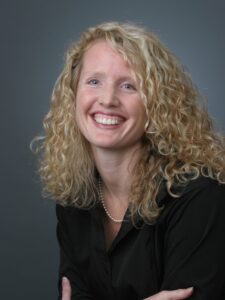
Mary C. Burke, PhD Professor, Program Director

Joseph Roberts, PhD Professor, Department Chair, Program Director of MA in Psychology and MS in Criminology & Criminal Justice
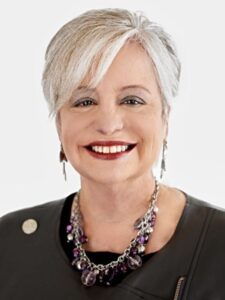
Shannon White, Psy.D. Assistant Professor, Practicum and Internship Director
Contact Admissions
If you are interested in this graduate program, our Admissions team is available to help you with the next steps, including scheduling an on-campus visit or attending an upcoming event.
Find your science and math degrees at Carlow
Carlow University offers a variety of science and math degrees grounded in liberal arts that will prepare you for a myriad of careers that involve scientific and mathematical theories and applications. Math and science programs provide a strong foundation for related careers such as engineering, medicine and health care, and for graduate work. Courses are available on campus and online.
Program Name
Offered
Degree Earned
Intraoperative Neurophysiological Monitoring (IONM) concentration
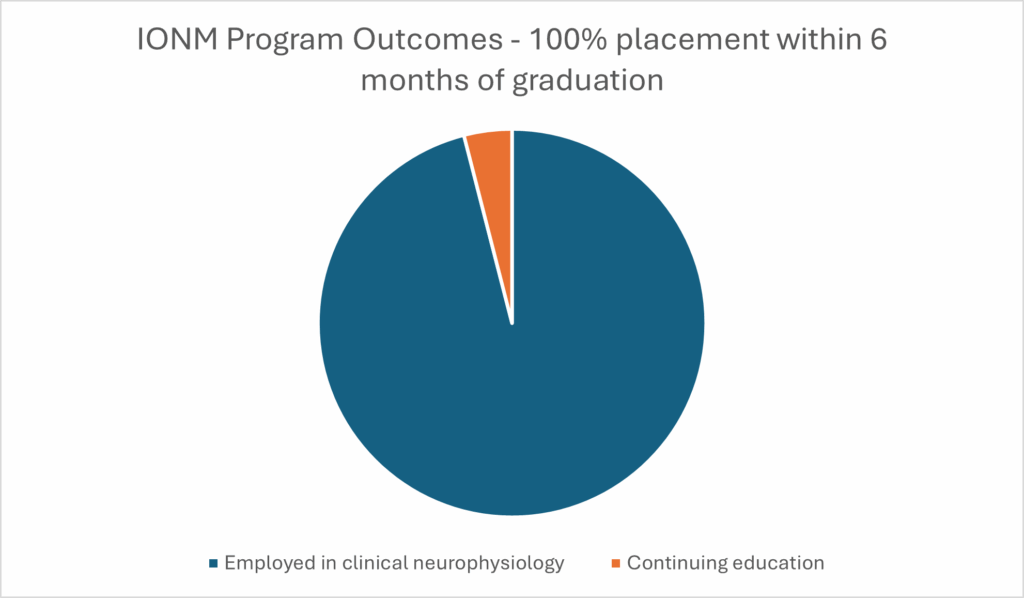
You’ll learn to keep patients safe during surgeries in the challenging and rapidly growing field of behavioral neuroscience with the Intraoperative Neurophysiological Monitoring concentration.
You will gain an in-depth understanding of the functioning and anatomical structures of the nervous system through this major. You will be trained to be a surgical neurophysiologist, monitoring neurolophysiological signals from the brain, spinal cord, sensory organs, and nerves in real time to protect the nervous system during surgery.
Intraoperative neurophysiological monitoring (IONM) has been shown to significantly reduce the occurrence of neurological damage during high-risk surgeries in adults and children.
Degree:
Bachelor of Science
Delivery:
On campus, some online
Campus:
Oakland
Transfer credits:
Up to 90 credits
Intraoperative Neurophysiological Monitoring curriculum
The Behavioral Neuroscience major is an interdisciplinary program in neuroscience, building upon the strengths of Carlow University’s biology, psychology and chemistry programs. You will complete the IONM concentration with instructors at the UPMC Procirca Center for Clinical Neurophysiology. Job shadowing at UPMC.
Candidates must satisfy all requirements for the Bachelor of Science degree in Behavioral Neuroscience, meet UPMC Procirca Center for Clinical Neurophysiology’s admission requirement and Carlow University’s prerequisites for approval and recommendation. They must also be recommended by a science faculty member and/or advisor.
Quick facts
- Experience highly specialized hands-on training
- Observe and assist in up to 100 surgical cases
- Accumulate the clinical hours necessary to take the ABRET’s Certification in Neurophysiologic Intraoperative Monitoring (CNIM) Exam to be a certified surgical neurophysiologist
Alternate degree completion options
Accelerated
Fast track your way to a master’s by taking graduate courses as an undergraduate student. Course credits count toward both degrees. Apply for the accelerated option after your sophomore year.
Career opportunities for Intraoperative Neurophysiological Monitoring
This bachelor’s program is the only one of five IONM programs listed by ASET, The Neurodiagnostic Society, to offer a BS degree that leads to a career in intraoperative neuromonitoring. Graduates can find employment in hospitals, health care companies, specialized sleep and epilepsy labs, education, academic and industry research, and industry sales.
The U.S. Bureau of Labor Statistics projects a 19% growth in the number of neurophysiologists in the U.S. is predicted from 2018 to 2028, much faster than the average for all health occupations.
Companies that have hired our grads include UPMC Procirca, NuVasive Clinical Services, The Neuromonitoring Group, Medsurant, Computational Diagnostics Inc., and Surgimon.
Admission requirements and application process
- Submit an application for admission. It is free to apply.
- Request that official transcripts from all current and previous institutions you’ve attended are sent directly to the Carlow University Office of Admissions.
- Must have a minimum 3.00 cumulative high school or 3.50 cumulative college GPA.
Apply
anytime
Start terms:
Fall, Spring & Summer

Neuroscience program taught me how to make an impact
Camryn Resele ’21 said Carlow taught her how she can make an impact on someone’s life, whether it’s in the operating room or just passing another employee or visitor in the hospital’s hallway.
“Being that the IONM tract was so new at Carlow, I was leery of what my future career path might look like. My mind was almost instantly put to ease when I began clinicals and was able to use the education I received from Carlow and its Behavioral Neuroscience program and apply it to my field of work.”
— Camryn Resele ’21
Behavioral Neuroscience faculty
Joshua Bernstein, PhD Professor, Psychology
Mary C. Burke, PhD Professor, Program Director
Joseph Roberts, PhD Professor, Department Chair, Program Director of MA in Psychology and MS in Criminology & Criminal Justice
Shannon White, Psy.D. Assistant Professor, Practicum and Internship Director
Contact Admissions
If you are interested in this major, our Admissions team is available to help you with the next steps, including scheduling an on-campus visit or attending an upcoming event.
Learn to understand the relationship between brain and behavior
Earn a Behavioral Neuroscience degree in the neuropsychology track
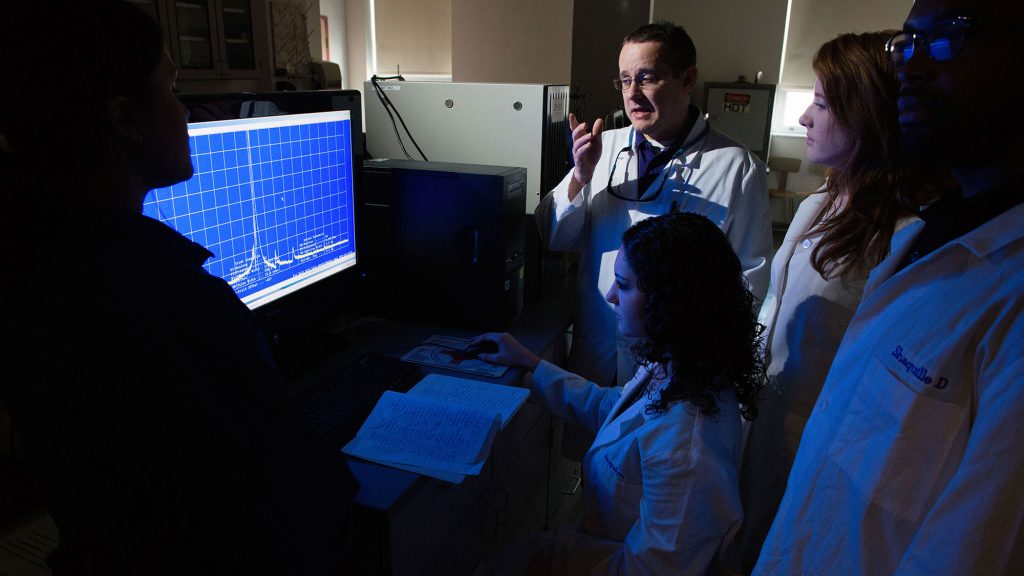
The neuropsychology program will give you new insights into how the brain thinks, reasons, formulates and processes.
You will be prepared to work in neuropsychology and clinical psychology, where neuropsychological assessments are an important part of clinical work. With the behavioral neuroscience degree, you will gain knowledge of the biological and physiological mechanisms that drive the nervous system and better understand the relationship between the brain and behavior.
The Behavioral Neuroscience major is an interdisciplinary program that builds on the strengths of Carlow University’s biology, psychology and chemistry programs.
Degree:
Bachelor of Science
Delivery:
On campus, some online
Campus:
Oakland
Transfer credits:
Up to 90 credits
Neuroscience degree curriculum
Carlow’s neuroscience program allows undergraduates to take courses in neuropsychology as well as to learn under scholar-practitioners. The curriculum includes a genetics course in which students investigate the maintenance, inheritance, transfer and expression of genetic information at the molecular, cellular, organismal and population levels. The cognitive psychology course explores its basic concepts and contemporary topics, such as will perception, attention, pattern recognition, consciousness, memory, the representation of knowledge, language, cognitive development, thinking and artificial intelligence.
Quick facts
- Gain hands-on learning experiences
- Leverage Carlow’s relationships with nearby research centers
- Be prepared for graduate work in psychology and neuropsychology
- Start taking Master’s courses as an undergraduate and earn a graduate degree faster for less money
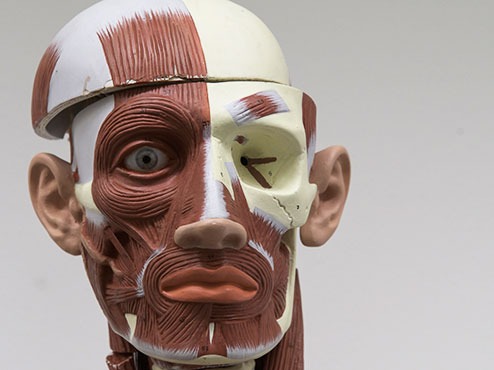
Alternate degree completion option
3-Year Degree
Finish your bachelor’s degree in three years by following a 3-year academic plan. Courses are taken across fall, spring and summer terms with summer courses completely online. When applying, indicate your interest in the 3-Year Degree option.
Accelerated
Fast track your way to a master’s by taking graduate courses as an undergraduate student. Course credits count toward both degrees. Apply for the accelerated option after your sophomore year.
Career opportunities for neuropsychology
Graduates often find jobs assisting in mental health settings, such as psychiatric technicians. They also prepare for training that can ultimately lead to a career in clinical psychology.
Jobs in this profession are expected to grow about 3% from 2019 to 2029, according to the U.S. Bureau of Labor Statistics.
Admission requirements and application process
- Submit an application for admission. It is free to apply.
- Request that official transcripts from all current and previous institutions you’ve attended are sent directly to the Carlow University Office of Admissions.
Apply
anytime
Start terms:
Fall, Spring & Summer
Behavioral Neuroscience faculty
Joshua Bernstein, PhD Professor, Psychology
Mary C. Burke, PhD Professor, Program Director
Joseph Roberts, PhD Professor, Department Chair, Program Director of MA in Psychology and MS in Criminology & Criminal Justice
Shannon White, Psy.D. Assistant Professor, Practicum and Internship Director
Contact Admissions
If you are interested in this major, our Admissions team is available to help you with the next steps, including scheduling an on-campus visit or attending an upcoming event.
Minor in Neuroscience
You can expand your physical science major with a minor in neuroscience. You will study how the functions and mechanisms of the nervous system affect behavior in animals and humans in conjunction with your major studies in biology, chemistry or psychology.
Behavioral Neuroscience Minor Curriculum
This minor is designed for students not majoring in Behavioral Neuroscience and is open to any major. A minimum of 21 credits is required;10 must be taken at Carlow University.
Required Courses Include:
- Introduction to Psychology
- Foundations of Molecular and Cell Biology
- Biological Bases of Behavior
- Cognitive Psychology
- Neuroanatomy
- Neurophysiology
Major in biology and make your own discoveries
As a Biology major at Carlow University, learn the scientific principles of living organisms, conduct student research, and prepare for your dream career or graduate studies in the healthcare, research or environmental fields.
Concentrations are available in:
- Cardiovascular Perfusion: learn to operate heart-lung machines during surgery (dual-degree program)
- Environmental Science & Management: study how biological processes impact the environment and how to manage environmental issues (dual-degree program)
- Human Biology: examine and understand the complexities of humans through a variety of diverse fields
The biology major and its concentrations are offered in an accelerated format, giving you the opportunity to graduate with a dual-degree in as few as five years.
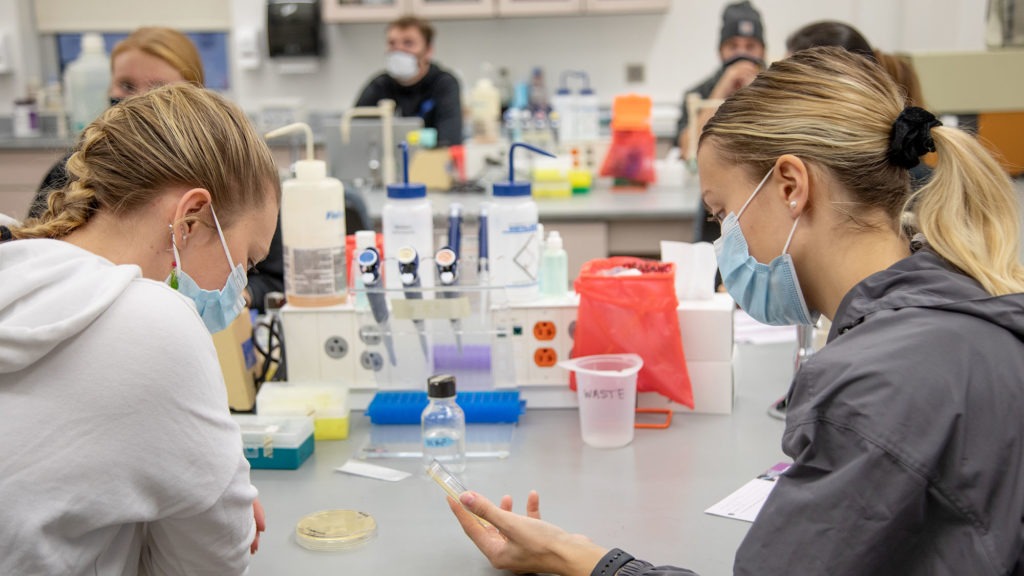
Degree:
Bachelor of Science
Delivery:
On campus, some online
Campus:
Oakland
Transfer credits:
Up to 90 credits
Bachelor of Science in Biology Curriculum
The biology major curriculum covers the entire scope of biological sciences from the structure and function of genes, proteins and cells to the ecology and evolution of organisms. Specializations have been designed to align with your potential career path (cardiovascular perfusion, environmental science & management, human biology).
Before graduating you will have the opportunity to conduct student research and/or complete a hands-on, experiential learning opportunity through the Senior Capstone course. Both provide an advantage for you as you pursue a career or graduate studies.
Choose your concentration
Environmental Science
You will graduate career-ready with this dual-degree program that offers a bachelor’s and master’s degree in Environmental Science and Management. You will study how biological processes impact the environment and how to manage environmental issues in this 3+2 program in collaboration with Duquesne University’s Bayer School of Natural and Environmental Sciences.
Cardiovascular Perfusion
As you work toward your bachelor’s degree in Biology through Carlow University, you will complete requirements at UPMC Shadyside, while beginning your clinical training. In this accelerated Cardiovascular Perfusion program, you will pursue Biology within the tradition of the liberal arts while accumulating the technical proficiency and professional skills required of health care professionals.
The Master of Science in Cardiovascular Perfusion is offered in coordination with the UPMC School of Perfusion. Up to 15 students per year are accepted into the Master of Science program. Admission to the graduate program is NOT guaranteed for those pursuing the cardiovascular perfusion concentration at the undergraduate level.
Bachelor of Science in Biology: Cardiovascular Perfusion, BS to MS Curriculum
Human Biology
Through this holistic and interdisciplinary scientific study, you will examine and understand the complexities of humans through a variety of diverse fields. Be prepared to enter professional training in all areas of health care, including medicine, dentistry, optometry, osteopathy, physician’s assistant, physical therapy, pharmacy and podiatry.
Quick Facts
- Pursue a concentration that interests you (cardiovascular perfusion, environmental science & management, human biology)
- Be prepared to pursue a career or graduate studies
- Apply for an early acceptance program with Lake Erie College of Osteopathic Medicine
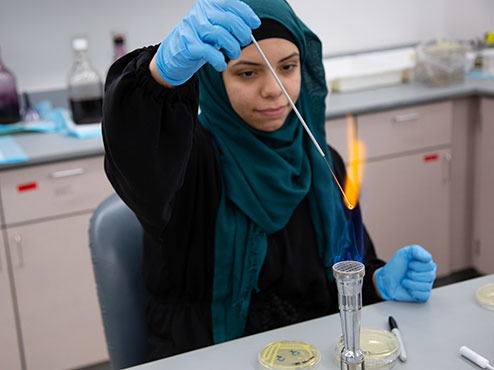
Alternate degree completion option
Accelerated
Fast track your way to a master’s by taking graduate courses as an undergraduate student. Course credits count toward both degrees. Apply for the accelerated option after your sophomore year.
Career opportunities with a bachelor’s in Biology
Biologists find jobs in such fields as ecology, wildlife and zoology, molecular and cellular biology, and education. A Bachelor of Science degree in biology sets the foundation for graduate programs in the healthcare, research or environmental fields.
The U.S. Bureau of Labor Statistics projects growth between 3% and 5% in a range of biological occupations from 2019 to 2029.
Admission requirements and application process
- Submit an application for admission. It is free to apply.
- Request that official transcripts from all current and previous institutions you’ve attended are sent directly to the Carlow University Office of Admissions.
- First-year students applying to the cardiovascular perfusion concentration must have a minimum 3.500 cumulative high school GPA. Transfer students must have a minimum 3.500 cumulative college GPA and a minimum 3.500 GPA in college-level science courses.
Apply
anytime
Start terms:
Fall, Spring & Summer
Alternate degree completion option
Accelerated
Fast track your way to a master’s by taking graduate courses as an undergraduate student. Course credits count toward both degrees. Apply for the accelerated option after your sophomore year.
Biology faculty
Joshua Bernstein, PhD Professor, Psychology
Mary C. Burke, PhD Professor, Program Director
Joseph Roberts, PhD Professor, Department Chair, Program Director of MA in Psychology and MS in Criminology & Criminal Justice
Shannon White, Psy.D. Assistant Professor, Practicum and Internship Director
Contact Admissions
If you are interested in this major, our Admissions team is available to help you with the next steps, including scheduling an on-campus visit or attending an upcoming event.
Increase your career potential with a minor in Biology
With this science-focused minor, you can enhance your biology background and pursue other career interests. A Biology minor prepares you for such fields as professional writing, business management, communications, psychology and social work. You will be ready for positions within organizations in the medical, pharmaceutical and biotechnology industries.
Biology minor curriculum
You must complete 18 credits, including two required courses and three advanced biology electives (at least two electives must be taken in residence at Carlow University).
Required courses include:
- Foundations of Organismal Biology
- Foundations of Molecular and Cellular Biology
Safeguard humanity’s future by protecting air, water and soil quality
You will graduate career-ready with this dual-degree program that offers a bachelor’s and master’s degree in Environmental Science and Management. You will study how biological processes impact the environment and how to manage environmental issues in this 3+2 program in collaboration with Duquesne University’s Bayer School of Natural and Environmental Sciences.
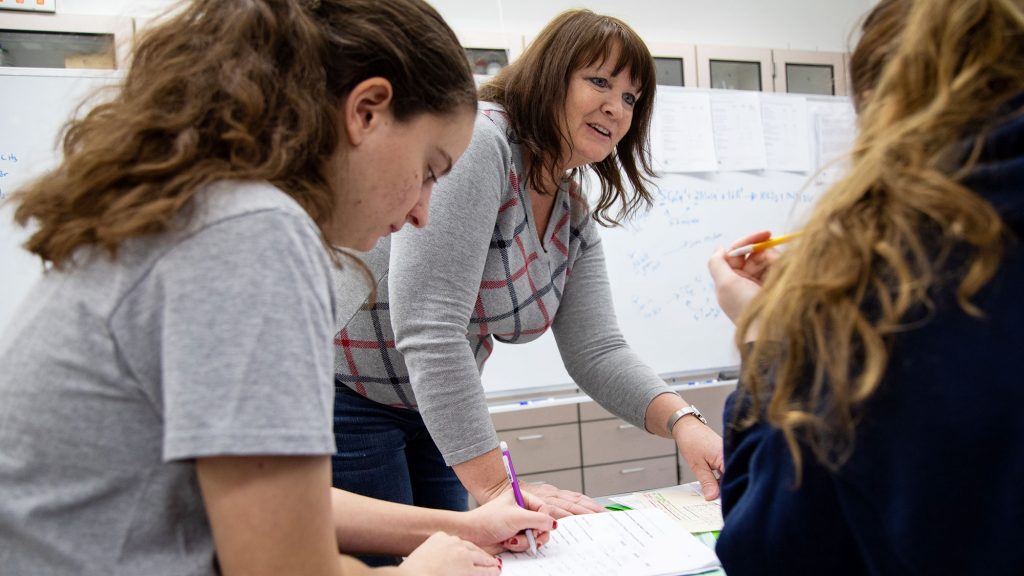
Degree:
Bachelor of Science to Master of Science
Delivery:
On campus, some online
Campus:
Oakland & Duquesne University
Transfer credits:
Evaluated on an individual basis
Environmental science degree curriculum
You will complete required biology/organismal biology and ecological courses in residence at Carlow University. You can apply to the master of science degree program in your third year, and if accepted, complete your fourth and fifth years at Duquesne.
Bachelor of science courses in Biology: Environmental Science and Management include General Biology, Zoology and Animal Physiology. Examples of courses taken in the master’s degree component include Environmental Microbiology, Environmental Toxicology, Air Quality, Business Ethics, Environmental Management and Environmental Law.
Quick facts
- Earn a bachelor’s degree in Biology from Carlow at the end of your fourth year
- Earn a master of science degree in Environmental Science and Management from Duquesne at the end of your fifth year
- As a collaborative program graduate, have the same credentials as other biology students
Career opportunities for environmental science graduates
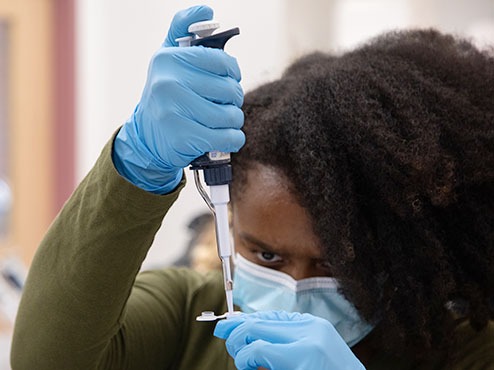
With the master’s degree training, you will have the skills required for careers in industry, regulatory agencies, academia and the public policy arena. Job titles may include climate change analyst, environmental restoration planner, environmental science teacher, fish and game warden, industrial ecologist, and soil and water conservationist.
The U.S. Bureau of Labor Statistics expects jobs in this environmental science field to increase 11% from 2014 to 2024.
Admission requirements and application process
- Submit an application for admission. It is free to apply.
- Request that official transcripts from all current and previous institutions you’ve attended are sent directly to the Carlow University Office of Admissions.
Apply
anytime
Start terms:
Fall, Spring & Summer
Environmental Science faculty
Joshua Bernstein, PhD Professor, Psychology
Mary C. Burke, PhD Professor, Program Director
Joseph Roberts, PhD Professor, Department Chair, Program Director of MA in Psychology and MS in Criminology & Criminal Justice
Shannon White, Psy.D. Assistant Professor, Practicum and Internship Director
Contact Admissions
If you are interested in this major, our Admissions team is available to help you with the next steps, including scheduling an on-campus visit or attending an upcoming event.
The gateway to healthcare, research and advanced health profession degrees
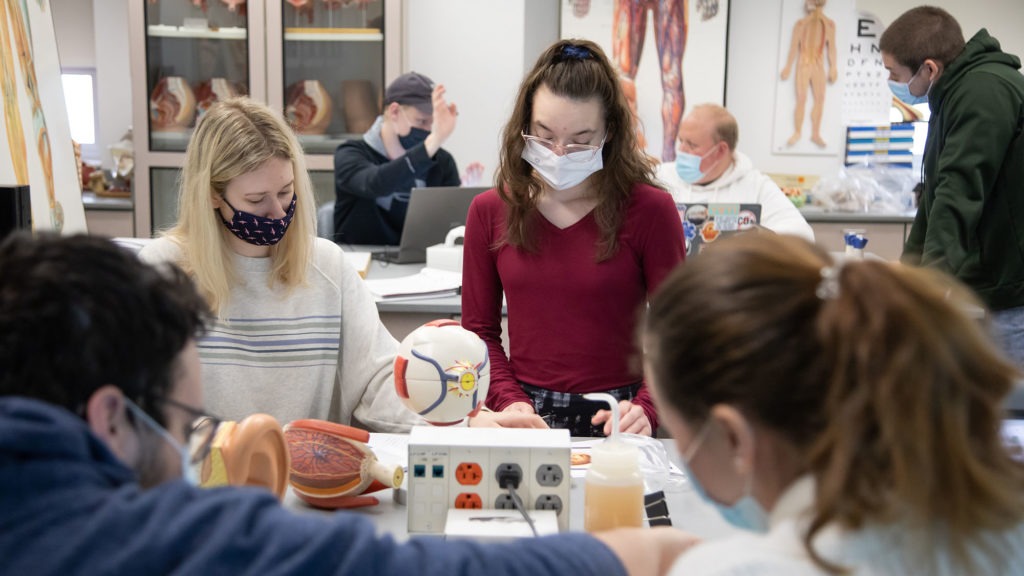
As a Human Biology major, you will receive a solid foundation in the study of life. Through this holistic and interdisciplinary scientific study, you will examine and understand the complexities of humans through a variety of diverse fields.
Human Biology major studies will prepare you to enter professional training in all areas of health care, including medicine, dentistry, optometry, osteopathy, physician’s assistant, physical therapy, pharmacy and podiatry.
Degree:
Bachelor of Science
Delivery:
On campus, some online
Campus:
Oakland
Transfer credits:
Up to 90 credits
Human Biology curriculum
Two required courses, Anatomy and Physiology I and II, are designed for the biology major preparing for careers in perfusion technology, the health professions or forensic science.
The required genetics course investigates the maintenance, inheritance, transfer and expression of genetic information at the molecular, cellular, organismal and population levels. This course also provides a brief introduction to genetic engineering and biotechnology.
Quick facts
- Choose elective courses
- Experience opportunities for research and scholarship near campus
- Pursue careers in research, health care and education
Alternate degree completion options
3-Year Degree
Finish your bachelor’s degree in three years by following a 3-year academic plan. Courses are taken across fall, spring and summer terms with summer courses completely online. When applying, indicate your interest in the 3-Year Degree option.
Accelerated
Fast track your way to a master’s by taking graduate courses as an undergraduate student. Course credits count toward both degrees. Apply for the accelerated option after your sophomore year.
Career opportunities with a bachelor’s in Biology
A bachelor’s in Biology sets the foundation for graduate programs in the medical fields. The U.S. Bureau of Labor Statistics projects growth between 3% and 5% in a range of biological occupations from 2019 to 2029.
Admission requirements and application process
- Submit an application for admission. It is free to apply.
- Request that official transcripts from all current and previous institutions you’ve attended are sent directly to the Carlow University Office of Admissions.
Apply
anytime
Start terms:
Fall, Spring & Summer
Gain your competitive edge.
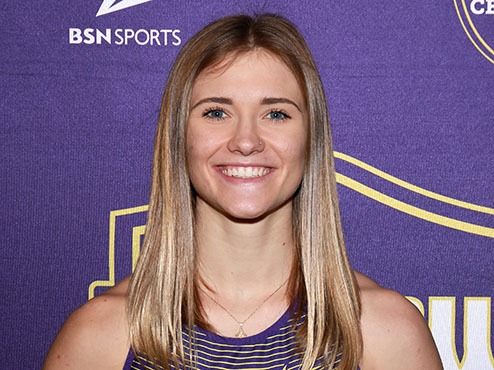
Ready for her future, Olivia Miller says Carlow equipped her with the tools to excel in the next chapter. “Going to Carlow, where it has a smaller, closer community gave me a lot of opportunities to get involved with things that will help me going into grad school. I feel very well prepared. I’d do it again; I wouldn’t change a thing.”
▸ Read Olivia’s story
Human Biology faculty
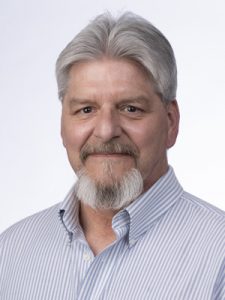
Frank Ammer, PhD Chair, Professor, Biology
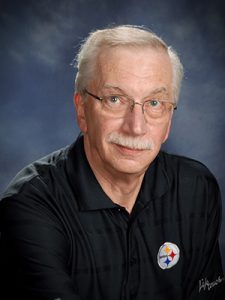
Stephen Borecky, PhD Professor, Biology
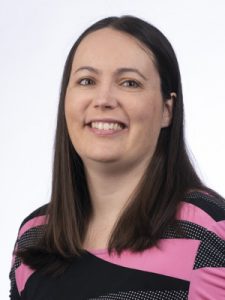
Amy M. Romesberg, PhD Associate Professor of Biology
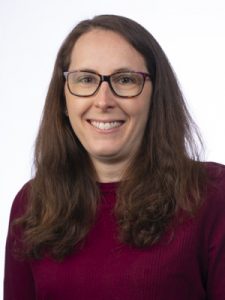
Beth Surlow, PhD Assistant Professor, Undergraduate Biology
Contact Admissions
If you are interested in this major, our Admissions team is available to help you with the next steps, including scheduling an on-campus visit or attending an upcoming event.
© Copyright 2026 Carlow University. All rights reserved.
Carlow University prohibits sex discrimination in any education program or activity that it operates. Individuals may report concerns or questions to the Title IX Coordinator, Jackie smith at jmsmith@carlow.edu or 412-578-6050.