-
Give

At Carlow University, the next generation of ethical leaders is already in the making.
Here, our students gain more than just a degree – they build connections, find purpose, and thrive – working in ways big and small to reshape the future. With your support, we can continue to invest in these future leaders and expand their ability to transform our world.
How You Can Support
At Carlow University, the next generation of ethical leaders is already in the making.
Here, our students gain more than just a degree – they build connections, find purpose, and thrive – working in ways big and small to reshape the future. With your support, we can continue to invest in these future leaders and expand their ability to transform our world.
How You Can SupportTips for MSW Course Planning
The sequencing below is an example of the quickest route to program completion and based on the semester students begin the program, and their selected program option (online or in-person/hybrid.) MSW students are not required to take courses in this exact sequence and may complete the program part-time or full-time and are encouraged to devise a plan that best fits their unique situations and needs. Please meet with your MSW Faculty Advisor each semester to select the course plan that is best for your needs. Each MSW course is NOT offered every semester, your advisor can assist you in planning appropriately for sequences other than the examples below. (Please note a fulltime course load in graudate school is defined as 6-credits per semester, or more for financial-aid purposes.)
Advanced Standing Students
First Year (Fall)
MSW720 Multidimensional Assessment- 3 credits
MSW723 Applied Research: Assessment and Evaluation – 3 credits
MSW726 Advocacy Practice for Social Justice – 3 credits
MSW752 Trauma Informed Community Practice – 3 credits
First Year (Spring)
MSW721 Human Service Management and Grant Writing – 3 credits
MSW724 Strength-Based Leadership – 3 credits
MSWXXX Elective of Choice – 3 credits
Second Year (Fall)
MSW732 Field Placement II (Must be taken with MSW733) – 3 credits
MSW733 Field Placement Seminar II (Must be taken with MSW732) – 3 credits
MSW711 Ethics Across Social Work Practice – 3 credits
Second Year (Spring)
MSW734 Field Placement III (Must be taken with MSW735) – 3 credits
MSW735 Field Placement Seminar III (Must be taken with MSW734) – 3 credits
MSW736 Advanced Practice Colloquium (take in final semester) – 3 credits
Total Credits = 39
Traditional Students
First Year (Fall)
MSW700 The Foundations of Generalist Practice – 3 credits
MSW702 Social Welfare and Policy – 3 credits
MSW714 Human Behavior in the Social – 3 credits
First Year (Spring)
MSW715 Diversity, Inclusion & Cultural Humility – 3 credits
MSW716 Human Behavior in the Macro Social Environment – 3 credits
MSW723 Applied Research: Assessment and Evaluation- 3 credits
Second Year (Fall)
MSW730 Field Placement I (Must be taken with MSW-731) – 3 credits
MSW731 Field Placement Seminar I (Must be taken with MSW-730) – 3 credits
MSW711 Ethics Across Social Work – 3 credits
MSW720 Multidimensional Assessment – 3 credits
Second Year (Spring)
MSW721 Human Service Management and Grant Writing – 3 credits
MSW724 Strength-Based Leadership – 3 credits
MSWXXX Elective of Choice- 3 credits
Third Year (Fall)
MSW732 Field Placement II (Must be taken with MSW733) – 3 credits
MSW733 Field Placement Seminar II (Must be taken with is MSW732) – 3 credits
MSW726 Advocacy Practice for Social Justice – 3 credits
MSW752 Trauma Informed Community Practice – 3 credits
Third Year (Summer)
MSW734 Field Placement III (Must be taken with MSW734)- 3 credits
MSW735 Field Placement Seminar III (Must be taken with MSW733) – 3 credits
Total Credits = 60
Two-Year Completion for Traditional Students
First Year (Fall)
MSW700 The Foundations of Generalist Practice – 3 credits
MSW702 Social Welfare and Policy – 3 credits
MSW714 Human Behavior in the Social – 3 credits
MSW715 Diversity, Inclusion & Cultural Humility – 3 credits
First Year (Spring)
MSW716 Human Behavior in the Macro Social Environment – 3 credits
MSW720 Multidimensional Assessment – 3 credits
MSW730 Field Placement I (Must be taken with MSW-731) – 3 credits
MSW731 Field Placement Seminar I (Must be taken with MSW-730) – 3 credits
First Year (Summer)
MSW724 Strength-Based Leadership – 3 credits
MSW752 Trauma Informed Community Practice – 3 credits
Second Year (Fall)
MSW726 Advocacy Practice for Social Justice – 3 credits
MSW711 Ethics Across Social Work – 3 credits
MSW723 Applied Research: Assessment and Evaluation – 3 credits
Second Year (Spring)
MSW721 Human Service Management and Grant Writing – 3 credits
MSW732 Field Placement II (Must be taken with MSW733) – 3 credits
MSW733 Field Placement Seminar II (Must be taken with is MSW732) – 3 credits
MSW-XXX Elective of Choice – 3 credits
Second Year (Summer)
MSW734 Field Placement III (Must be taken with MSW734)- 3 credits
MSW735 Field Placement Seminar III (Must be taken with MSW733) – 3 credits
MSW736 Advanced Practice Colloquium – 3 credits
Total Credits = 60
Tips for MSW Course Planning
The sequencing below is an example of the quickest route to program completion and based on the semester students begin the program, and their selected program option (online or in-person/hybrid.) MSW students are not required to take courses in this exact sequence and may complete the program part-time or full-time and are encouraged to devise a plan that best fits their unique situations and needs. Please meet with your MSW Faculty Advisor each semester to select the course plan that is best for your needs. Each MSW course is NOT offered every semester, your advisor can assist you in planning appropriately for sequences other than the examples below. (Please note a fulltime course load in graduate school is defined as 6-credits per semester, or more for financial-aid purposes.)
Advanced Standing Students
First Year (Fall)
MSW711 Ethics Across Social Work – 3 credits
MSW720 Multidimensional Assessment – 3 credits
MSW722 Mental Health and Diagnosis – 3 credits
First Year (Spring)
MSW723 Applied Research: Assessment and Evaluation – 3 credits
MSW724 Strength Based Leadership – 3 credits
MSW725 Treatment Approaches in Direct Practice – 3 credits
MSWXXX MSW Elective of Choice – 3 credits
Second Year (Fall)
MSW732 Field Placement II (Must be taken with MSW-733) – 3 credits
MSW733 Field Placement Seminar II (Must be taken with MSW-732) – 3 credits
MSW727 Complex Trauma – 3 credits
Second Year (Spring)
MSW734 Field Placement III (Must be taken with MSW735) – 3 credits
MSW735 Field Placement Seminar III (Must be taken with MSW734) – 3 credits
MSW736 Advanced Practice Colloquium (take in final semester) – 3 credits
Total Credits = 39
Tips for MSW Course Planning
The sequencing below is an example of the quickest route to program completion and based on the semester students begin the program, and their selected program option (online or in-person/hybrid.) MSW students are not required to take courses in this exact sequence and may complete the program part-time or full-time and are encouraged to devise a plan that best fits their unique situations and needs. Please meet with your MSW Faculty Advisor each semester to select the course plan that is best for your needs. Each MSW course is NOT offered every semester. Your advisor can assist you in planning appropriately for sequences other than the examples above. (Please note a full-time course load in graduate school is defined as 6-credits per semester, or more for financial-aid purposes.) *Pennsylvania requires any social worker seeking the Pennsylvania School Social Work Certification to be a Liciensed Social Worker (LSW) in the State of Pennsylvania before this certificate is issued.
DISCLAIMER: This plan is subject to the availability of courses in a particular term. Updated May 2024.
Traditional Students
First Year (Fall)
MSW700 The Foundations of Generalist Practice – 3 credits
MSW702 Social Welfare and Policy – 3 credits
MSW714 Human Behavior in the Social Environment (HBSE) – 3 credits
First Year (Spring)
MSW715 Diversity, Inclusion & Cultural Humility – 3 credits
MSW716 Human Behavior in the Macro Social Environment – 3 credits
MSW724 Strength Based Leadership – 3 credits
Second Year (Fall)
MSW730 Field Placement I (Must be taken with MSW-731) – 3 credits
MSW731 Field Placement Seminar I (Must be taken with MSW-730) – 3 credits
MSW711 Ethics Across Social Work – 3 credits
MSW720 Multidimensional Assessment – 3 credits
Second Year (Spring)
MSW722 Mental Health and Diagnosis – 3 credits
MSW723 Applied Research: Assessment and Evaluation – 3 credits
MSWXXX MSW Elective of Choice – 3 credits
Third Year (Fall)
MSW732 MSW Field Placement II (Must be taken with MSW733) – 3 credits
MSW733 MSW Field Placement II (Must be taken with MSW732) – 3 credits
MSW727 Complex Trauma – 3 credits
MSW725 Treatment Approaches in Direct Practice – 3 credits
Third Year (Summer)
MSW734 MSW Field Placement III (Must be taken with MSW735) – 3 credits
MSW-735 MSW Field Seminar III (Must be taken with MSW-734) – 3 credits
MSW-736 Advanced Practice Colloquium (Take in final semester) – 3 credits
Total Credits = 60
Tips for MSW Course Planning
The sequencing below is an example of the quickest route to program completion and based on the semester students begin the program, and their selected program option (online or in-person/hybrid.) MSW students are not required to take courses in this exact sequence and may complete the program part-time or full-time and are encouraged to devise a plan that best fits their unique situations and needs. Please meet with your MSW Faculty Advisor each semester to select the course plan that is best for your needs. Each MSW course is NOT offered every semester. Your advisor can assist you in planning appropriately for sequences other than the examples above. (Please note a full-time course load in graduate school is defined as 6-credits per semester, or more for financial-aid purposes.) *Pennsylvania requires any social worker seeking the Pennsylvania School Social Work Certification to be a Liciensed Social Worker (LSW) in the State of Pennsylvania before this certificate is issued.
DISCLAIMER: This plan is subject to the availability of courses in a particular term. Updated May 2024.
2 Year Degree Completion Option for Traditional Students
First Year (Fall)
MSW700 The Foundations of Generalist Practice – 3 credits
MSW702 Social Welfare and Policy – 3 credits
MSW714 Human Behavior in the Social Environment (HBSE) – 3 credits
MSW715 Diversity, Inclusion & Cultural Humility – 3 credits
First Year (Spring)
MSW716 Human Behavior in the Macro Social Environment – 3 credits
MSW720 Multidimensional Assessment – 3 credits
MSW730 Field Placement I (Must be taken with MSW-731) – 3 credits
MSW731 Field Placement Seminar I (Must be taken with MSW-730) – 3 credits
First Year (Summer)
MSW724 Strength Based Leadership – 3 credits
MSW727 Complex Trauma – 3 credits
Second Year (Fall)
MSW722 Mental Health and Diagnosis – 3 credits
MSW723 Applied Research: Assessment and Evaluation – 3 credits
MSW711 Ethics Across Social Work – 3 credits
Second Year (Spring)
MSW725 Treatment Approaches in Direct Practice – 3 credits
MSW732 MSW Field Placement II (Must be taken with MSW733) – 3 credits
MSW733 MSW Field Placement II (Must be taken with MSW732) – 3 credits
MSWXXX MSW Elective of Choice – 3 credits
Second Year (Summer)
MSW734 MSW Field Placement III (Must be taken with MSW735) – 3 credits
MSW-735 MSW Field Seminar III (Must be taken with MSW-734) – 3 credits
MSW-736 Advanced Practice Colloquium (Take in final semester) – 3 credits
Total Credits = 60
Tips for MSW Course Planning
The sequencing below is an example of the quickest route to program completion and based on the semester students begin the program, and their selected program option (online or in-person/hybrid.) MSW students are not required to take courses in this exact sequence and may complete the program part-time or full-time and are encouraged to devise a plan that best fits their unique situations and needs. Please meet with your MSW Faculty Advisor each semester to select the course plan that is best for your needs. Each MSW course is NOT offered every semester. Your advisor can assist you in planning appropriately for sequences other than the examples above. (Please note a full-time course load in graduate school is defined as 6-credits per semester, or more for financial-aid purposes.) *Pennsylvania requires any social worker seeking the Pennsylvania School Social Work Certification to be a Liciensed Social Worker (LSW) in the State of Pennsylvania before this certificate is issued.
DISCLAIMER: This plan is subject to the availability of courses in a particular term. Updated Fall 2023.
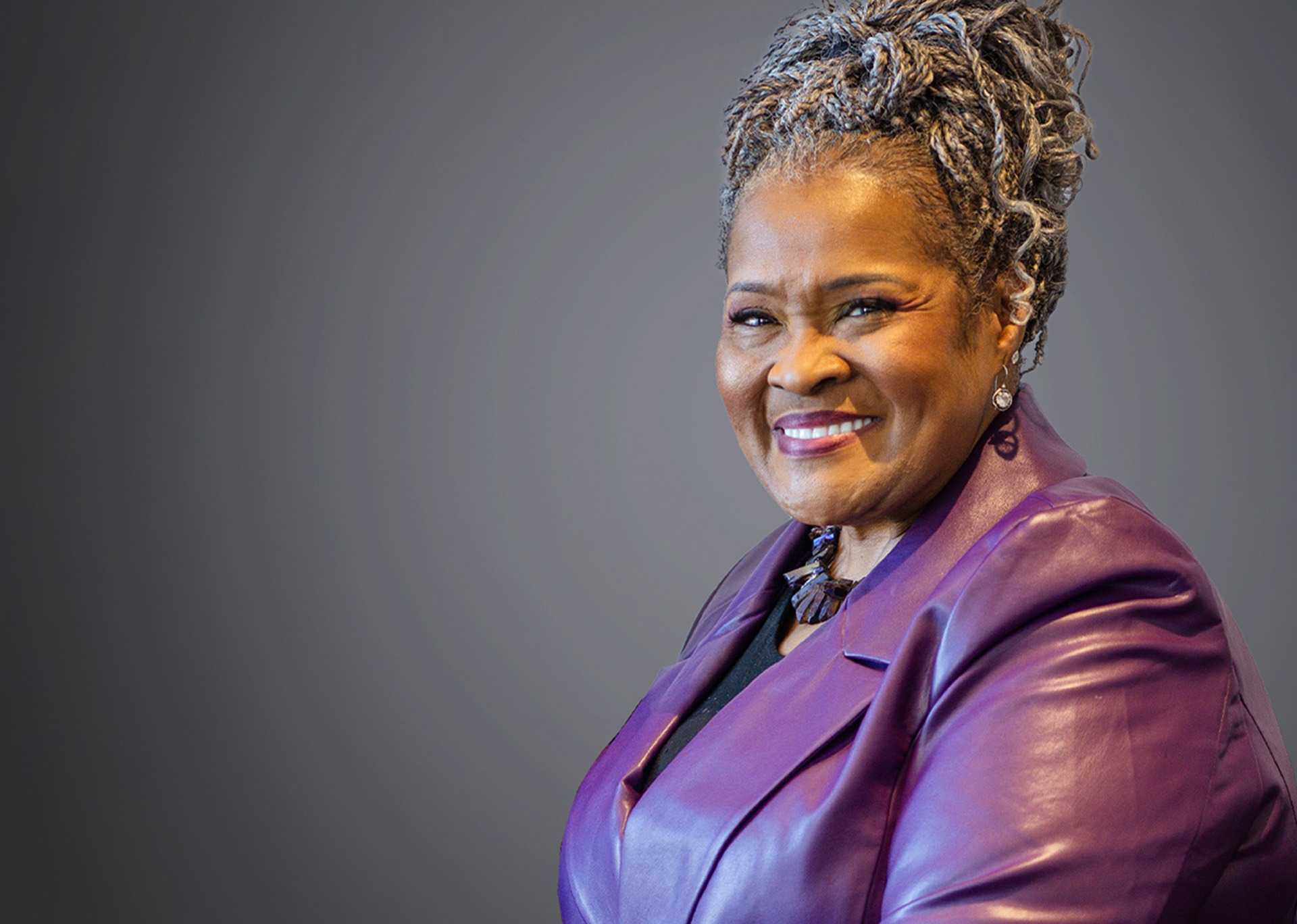



Latest Episode
Betsy Benson
Journey and Opportunity
Season 2 | Episode 4 | 27 minutes
In this episode, Dr. Kathy Humphrey speaks with Betsy Benson, Publisher and Vice President of Pittsburgh Magazine. Together, they explore Betsy’s inspiring beginnings in journalism, uncover the unique economic opportunities taking shape across Pittsburgh, and reflect on how these forces when harnessed with intention can help shape a more just and merciful world.
Episodes
Pat McCann | Walking with Courage
Episode 1 | 36 minutes
AJ Jefferson | Embracing Chaos
and Creating Stability
Episode 2 | 23 minutes
Sabrina Saunders Mosby | Essential Community
Episode 3 | 24 minutes
Richard Blanco | The Power of Words in a Just and Merciful World
Episode 1 | 34 minutes
John Fernández & Amy Bowman | Solutions for a More Sustainable World
Episode 2 | 38 minutes
Erin Mallea & Sarah Shotland | Social Justice as an Art form
Episode 3 | 34 minutes
Evan Rosenberg | Human Connection and Ethical Leadership
Episode 4 | 29 minutes
Sister Sheila Carney | Walking Into the Chaos of Others
Episode 5 | 27 minutes
Vincent D. Rougeau | Cultivating Diversity in Catholic Colleges
Episode 6 | 29 minutes
FRZY | Inspiring Greatness Starts Within
Episode 7 | 27 minutes
John McDarby | The Story of Sister Veronica McDarby
Episode 8 | 35 minutes
Bishop David Zubik | Embracing One’s Calling
Episode 9 | 29 minutes
Stefani Pashman | Today’s Workforce: Bridging Capability & Creativity
Episode 10 | 32 minutes
Christina Cassotis | Leading with Vision, Building with Boldness
Episode 11 | 28 minutes
Michele Atkins | The Ethical Path
Episode 12 | 23 minutes
Dr. Mike Sherrill | Faith, Calling, and Purpose
Episode 13 | 24 minutes
Kent and Erica Chevalier | Courage in Chaos
Episode 14 | 37 minutes
Bishop Mark Eckman | A New Installation, a Familiar Purpose, and a Call to Lead
Episode 15 | 30 minutes
Stay Curious
Season 2 of A More Just and Merciful World is here! Join our virtual community and be the first to learn about exciting campus happenings, new Carlow Impact Series events, Dr. Humphrey’s latest podcasts, change-making alumni, academic programs shaping the future of ethical leadership, and so much more.
Loading…
Empowering Movement, Transforming Lives: Your Journey Starts Here!
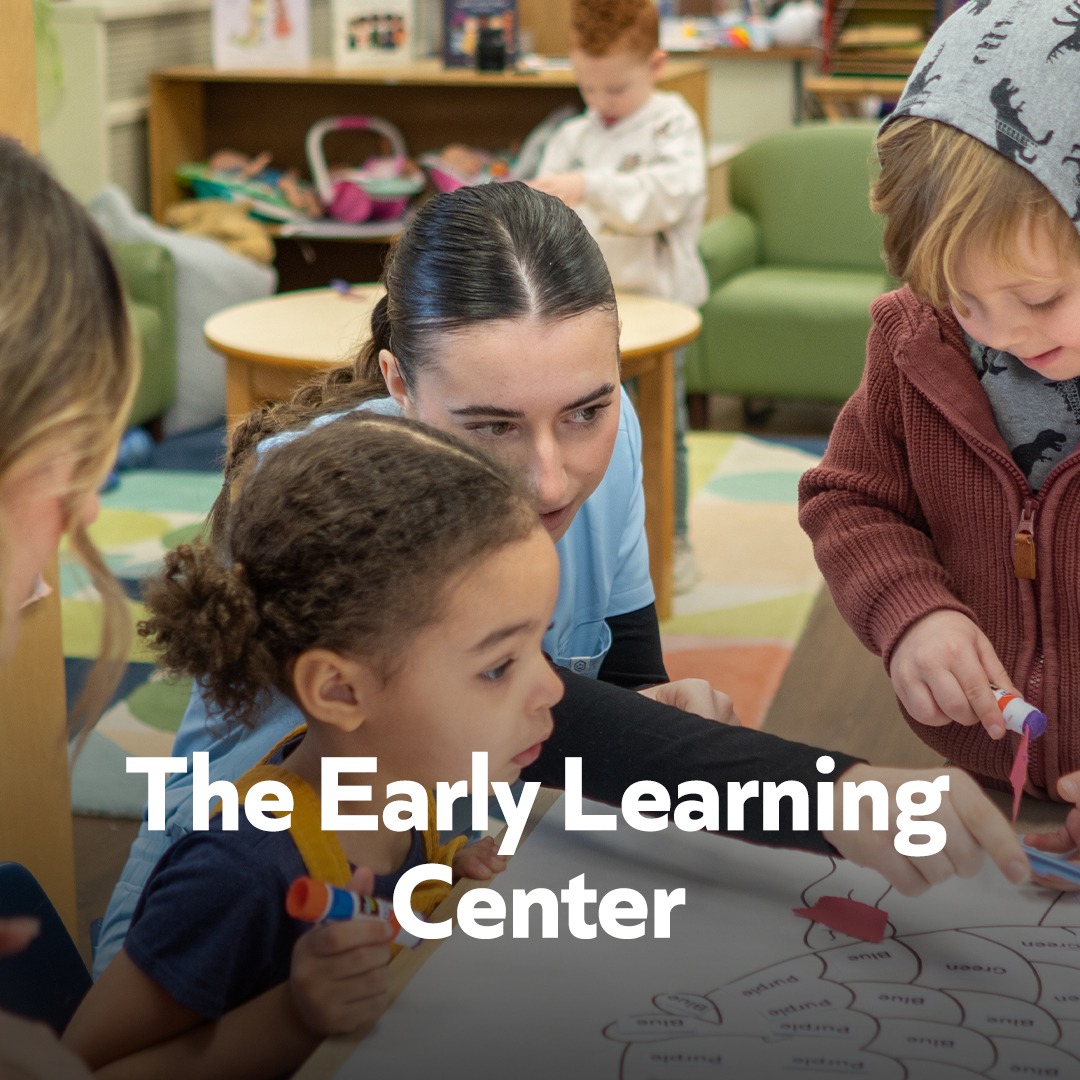
The programs offered in the Department of Physical Therapy program at Carlow University encompass the Mercy mission to serve the community by promoting the dignity of every person, advocating for equity and inclusion to address matters of social justice. At Carlow, we believe that non-technical skills are equally essential to your health professional training as the technical skills. Our programs emphasize three important habits of healthcare practice: Heart (professional formation/responsibilities), Head (cognitive knowledge), and Hand (clinical skills). It is the training in the habits of the heart that will allow you to act above and beyond your technical responsibilities and advocate for your patients. We strive to graduate healthcare professionals who would use the following principles within their professional practice.
- Healthcare equity is the cornerstone of a healthy society.
- Health and wellness promotion for the population/community is essential in conjunction with individual patient care.
- Every individual is a leader who must be prepared for a dynamic healthcare environment.
- Clinical decision-making shall be based on the three pillars of evidence-informed practice (using the best available research evidence, applying clinical experience/expertise, and incorporating patients’/clients’ beliefs and values with empathy and compassion).
- Physical therapy graduates and clinicians must be proficient in clinical competencies based on the contemporary standards of physical therapy practice.
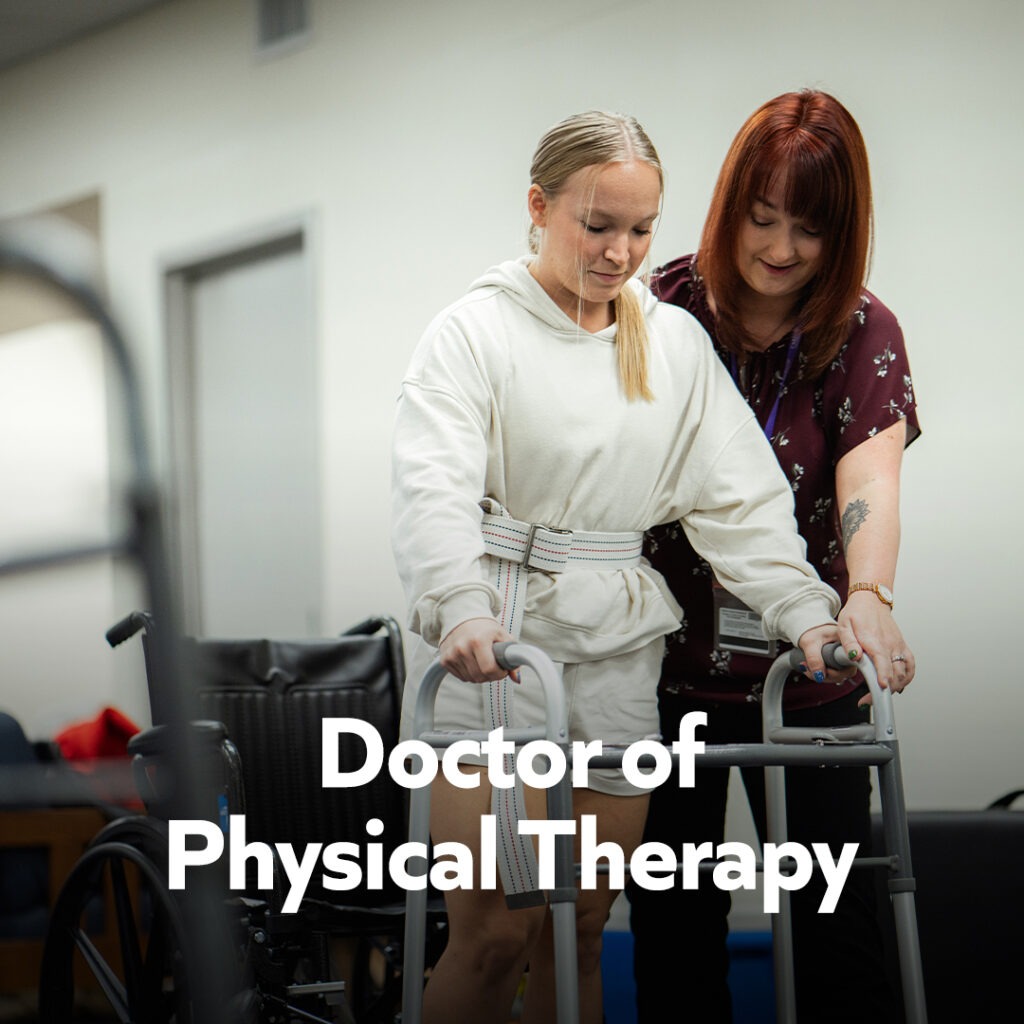
Small
class sizes to provide individual attention
International
clinical experience opportunities
Engage
in experiential learning on Carlow campus
Faculty & staff
Our faculty comprises practicing clinicians with a wealth of experience in physical therapy, blending real-world insights with academic rigor. As experienced educators, they impart their passion for the profession to students, nurturing a commitment to clinical excellence. Join us to learn from the best and embark on your journey towards mastery. Contact us at DPTProgram@carlow.edu.
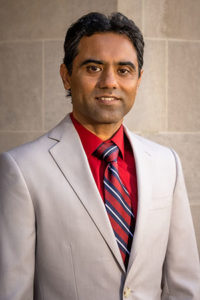

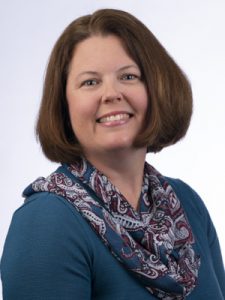
Katie Shroyer PT,DPT, CBIS Director of Clinical Education, Assistant Professor
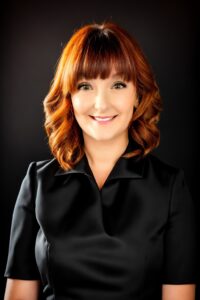
Chelsey Wojcik Larko, PT, DPT, NCS Assistant Professor
Accreditation
Effective 04/25/23, Carlow University, Doctor of Physical Therapy program, has been granted Candidate for Accreditation status by the Commission on Accreditation in Physical Therapy Education (3030 Potomac Ave., Suite 100, Alexandria, Virginia 22305-3085; phone: 703-706-3245; email: accreditation@apta.org). If needing to contact the program/institution directly, please email: dptprogram@carlow.edu. Candidate for Accreditation is an accreditation status of affiliation with the Commission on Accreditation in Physical Therapy Education that indicates the program may matriculate students in technical/ professional courses. Achievement of Candidate for Accreditation status does not assure that the program will be granted Initial Accreditation.
Department Points of Pride
- Emphasis on Interprofessional education
- Focus on community health and service learning
- Inculcate the habits of the Heart, Head, and Hand
- Develop healthcare leaders and entrepreneurs
Follow us on social media


Fostering collaborative excellence. Discover the advantages of a transformational educational experience at Carlow University
Carlow has a long history and outstanding reputation for educating great nurses. Our mercy centered mission, along with small class sizes and state of the art skills and simulation facilities make Carlow a perfect place to pursue a nursing degree. Students receive individualized attention and mentorship from our experienced nursing faculty who are experts in their area of nursing. Located in the heart of Oakland, we have partnerships with healthcare facilities within the Pittsburgh region and easy access to a variety of clinical experiences within the community, in acute care and community health. Throughout our program, Carlow nursing students learn about nursing care with a focus on ethics, a commitment to social justice and a goal of decreasing heath disparities. Students have opportunities to explore different aspects of nursing as they learn and grow into professional nurses. If you have an interest in becoming a nurse, whether you are looking for a traditional BSN program, a 2nd Degree BSN program, an RN to BSN program, or a Practical Nurse Certificate program, one or Carlow’s undergraduate nursing programs can help you achieve your goal of becoming a nurse.
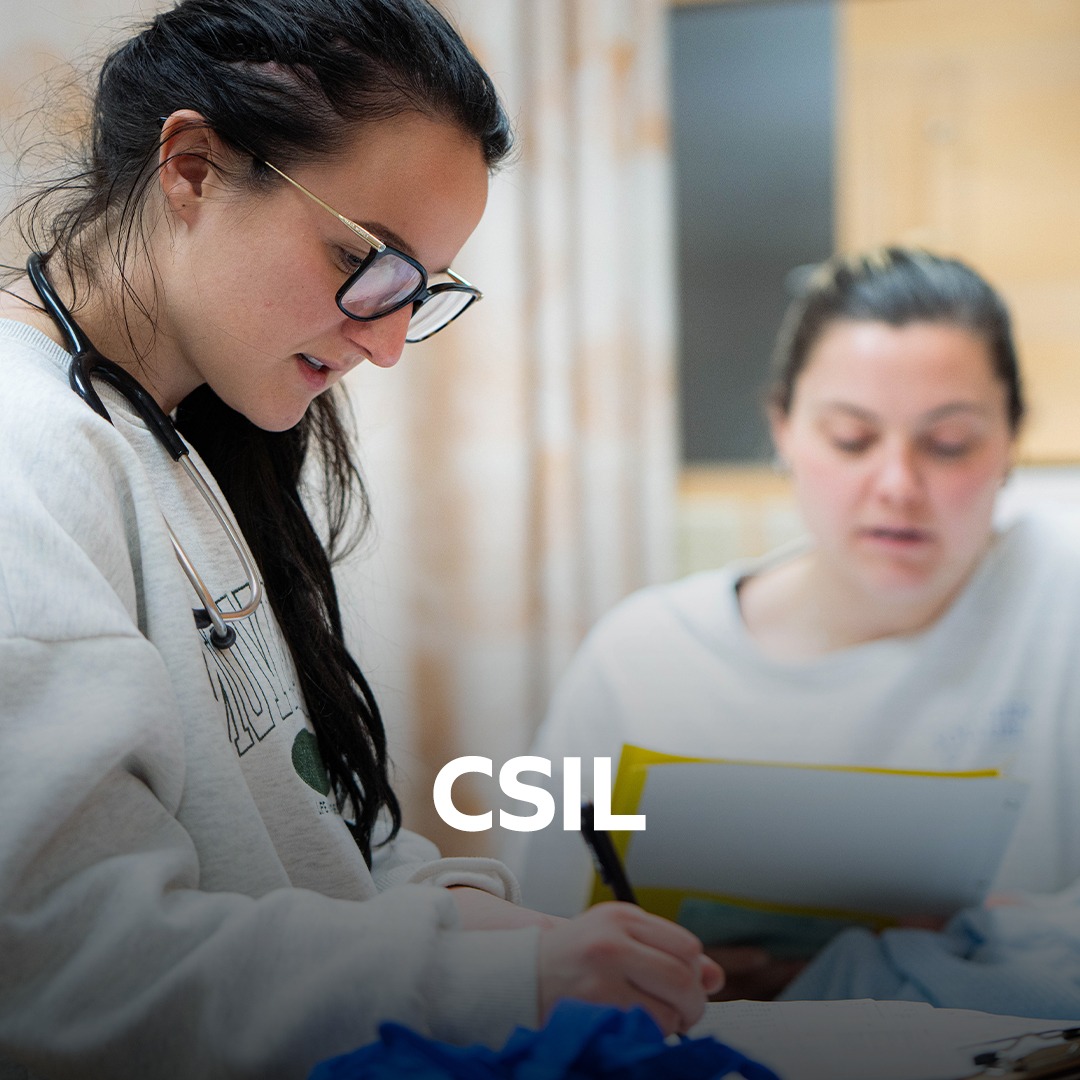
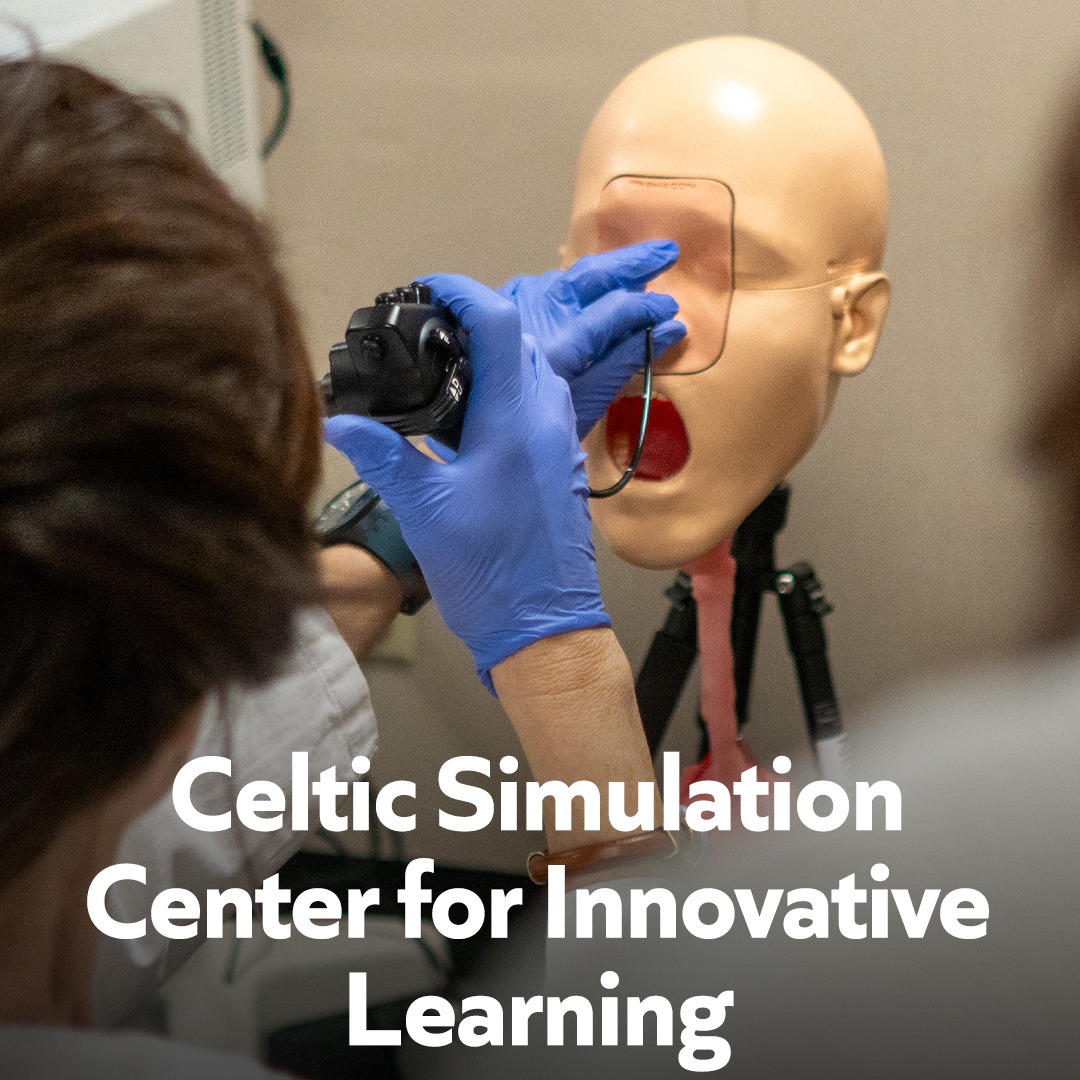
Carlow Skills and Innovative Learning (CSIL) skills and simulation labs are incorporated into all clinical courses in the curriculum.

Faculty mentoring for individualized student NCLEX preparation in the final semester of the program.

Perioperative summer internship program offered as a summer elective for BSN students
75
years of excellence in nursing education this year
90%
pass rate for first time test takers over the past 10 years.
Faculty & staff
In addition to their advanced degrees, all our faculty have clinical practice experience in the areas of nursing that they are teaching. Our smaller class sizes and faculty advising model provide students with opportunities for individualized learning and career mentoring starting in the first year of the program. We hire adjunct clinical faculty with expertise and current experience in the areas of nursing practice that they are teaching.
Kunal Bhanot, PT, PhD, FAAOMPT Chair, Professor
Katie Shroyer PT,DPT, CBIS Director of Clinical Education, Assistant Professor
Chelsey Wojcik Larko, PT, DPT, NCS Assistant Professor
Make a difference in the world through the Carlow University Department of Public Health
Carlow’s Master of Science in Speech-Language Pathology is committed to hands-on, inter-professional collaborative education. The program was inspired by the view that effective team collaborations improve the quality of clinical service delivery. It is our belief that frequent hands-on training transforms learning from theoretical knowledge into high-quality, evidence-based, person-centered care. Students train to prevent, assess, and treat communication and swallowing disorders within a clinically focused learning environment comprised of faculty, clinical educators, and students from several different professions including:
- Education
- Nursing
- Occupational Therapy
- Physical Therapy
- Physician Assistant
- Respiratory Therapy

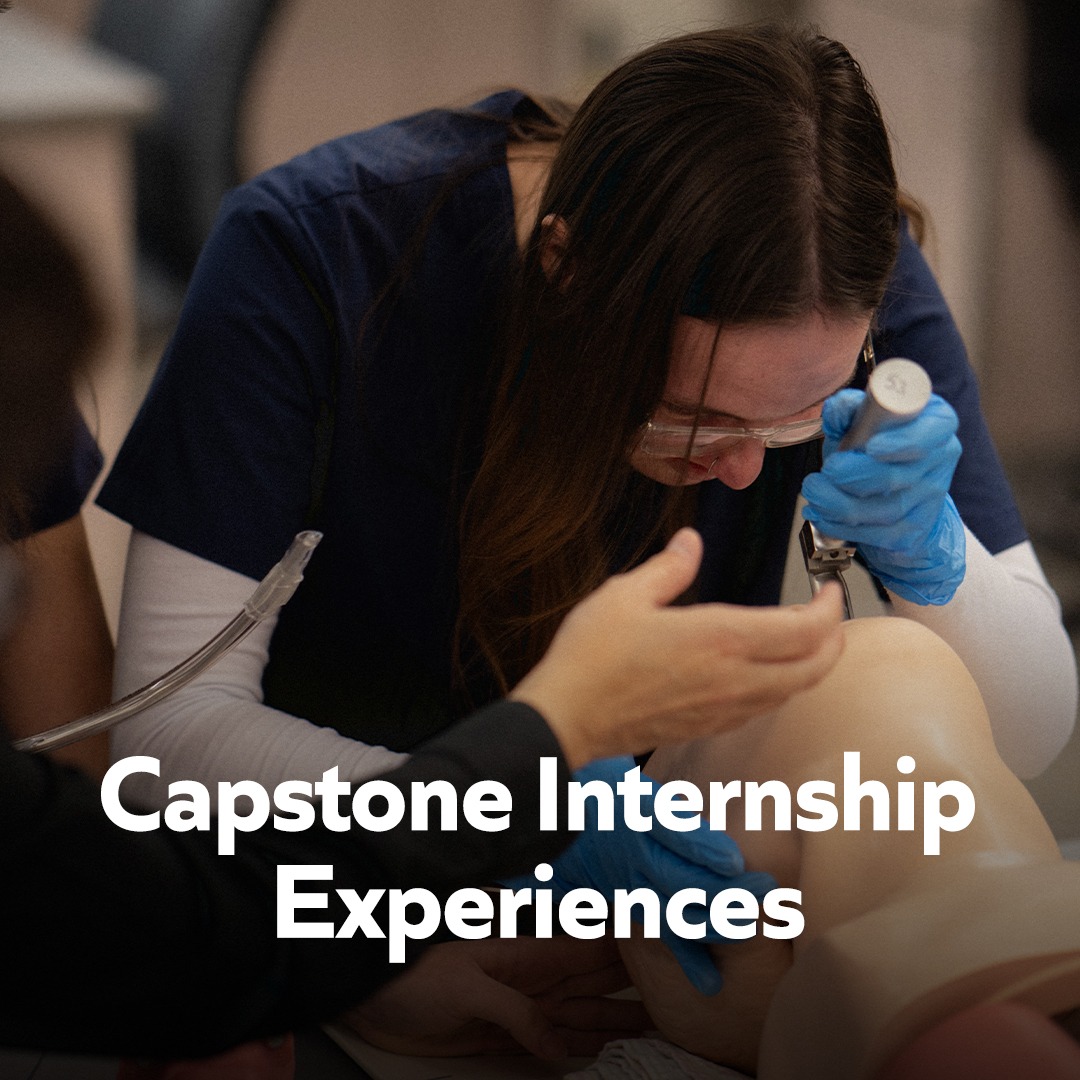
Unique to Carlow University, students learn the value of clinical application through extensive clinical skills labs that will prepare you with the knowledge and skills needed to enter professional practice as a licensed, certified speech-language pathologist working in any clinical environment.
100%
of all Healthcare Management and Health Care Data Analytics Majors can earn a Minor with no additional time towards graduation.
7
distinct tracks are offered to Public Health Majors including 2 into graduate programs and 1 into 2nd Degree Nursing.
Faculty & staff
Our faculty and staff have decades of real-world senior leadership experience, and constantly share that expertise with our students. You will be learning from people who have “been there” and “done that” at the highest levels. By learning from industry leaders our graduates have a tremendous advantage over other students. The Carlow Department of Public Health Professors will prepare you for life in the healthcare industry.
Kunal Bhanot, PT, PhD, FAAOMPT Chair, Professor
Katie Shroyer PT,DPT, CBIS Director of Clinical Education, Assistant Professor
Chelsey Wojcik Larko, PT, DPT, NCS Assistant Professor
Accreditation
All programs in the Department of Public Health are Middle States accredited, with the Respiratory Therapy program having additional certifications as required for that field of study.
Fostering collaborative excellence. Discover the advantages of a transformational educational experience in Carlow University’s Master of Science in Speech-Language Pathology
Carlow’s Master of Science in Speech-Language Pathology is committed to hands-on, interprofessional collaborative education. The program was inspired by the view that effective team collaborations improve the quality of clinical service delivery. It is our belief that frequent hands-on training transforms learning from theoretical knowledge into high-quality, evidence-based, person-centered care. Students train to prevent, assess, and treat communication and swallowing disorders within a clinically focused learning environment comprised of faculty, clinical educators, and students from several different professions including:
- Education
- Nursing
- Occupational Therapy
- Physical Therapy
- Physician Assistant
- Respiratory Therapy
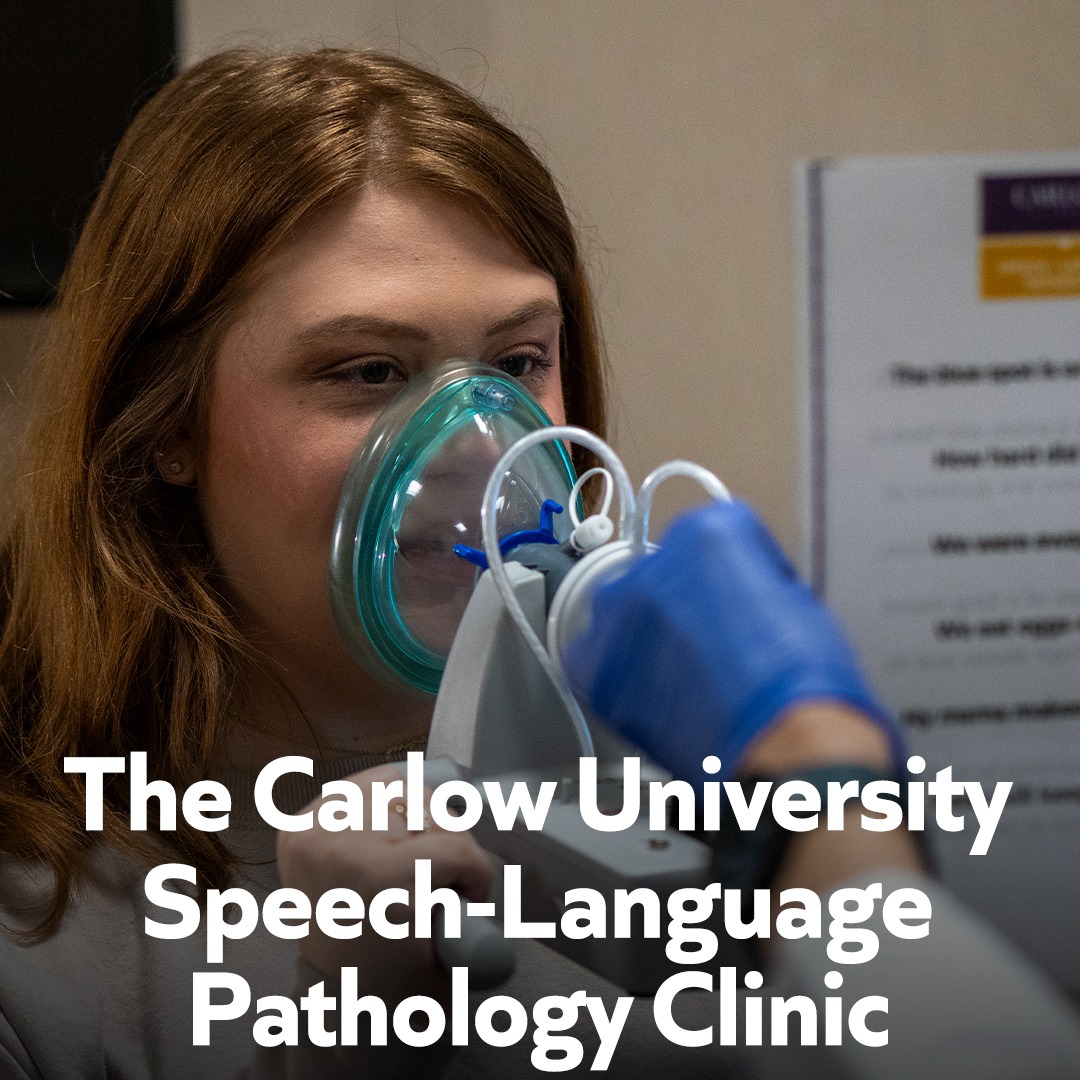
Unique to Carlow University, students learn the value of clinical application through extensive clinical skills labs that will prepare you with the knowledge and skills needed to enter professional practice as a licensed, certified speech-language pathologist working in any clinical environment.



#3
in Best Healthcare Jobs and #10 in Best Jobs according to 2024 U.S. News & World Report
100%
Carlow SLP students said Carlow was the right fit for them
Faculty & staff
At Carlow, we are devoted to a teaching-learning climate of compassion, mutual respect, and ethical accountability as these elements are fundamental to cultivating a higher level of professional practice. Our faculty and staff are dedicated to delivering transformational educational experiences through innovation, close faculty mentorship, and diverse learning experiences.
Kunal Bhanot, PT, PhD, FAAOMPT Chair, Professor
Katie Shroyer PT,DPT, CBIS Director of Clinical Education, Assistant Professor
Chelsey Wojcik Larko, PT, DPT, NCS Assistant Professor
Accreditation
The Master of Science (M.S.) education program in speech-language pathology (residential) at Carlow University is accredited by the Council on Academic Accreditation in Audiology and Speech-Language Pathology of the American Speech-Language-Hearing Association, 2200 Research Boulevard, #310, Rockville, MD 20850, 800-498-2071 or 301-296-5700.
Discover the advantages of Carlow University’s Nursing Programs
As a graduate nursing department, we prepare exceptionally skilled providers, leaders and educators in doctoral, masters, and certificate tracks to meet the healthcare and health promotion needs of populations. Nursing graduate students have experiences with people nationally and internationally via didactic, clinical and study abroad opportunities. The School of Nursing educates practitioners of tomorrow and encourages a passion for evidenced-based practice, innovation and interdisciplinary collaboration in the spirit of social justice, diversity, equity and inclusion.
We offer study in a hybrid face-to-face modality that incorporates twice monthly evening classes with online coursework to fit the needs of today’s full-time working nurse, while affording opportunities for 1:1 faculty engagement, and peer group networking and support.
A fully online program is also available, for students out of the Pittsburgh region, and/or for those desiring a non-synchronous education program.
View the School of Nursing’s program outcomes and accreditation information.

Psychiatric Mental Health Nurse Practitioner
The high demand for qualified psychiatric nurse practitioners stems in large part from the increased normalization of mental health issues.



$2.6M
in scholarships awarded every year to IMPACT FNP graduate students
4
competitive scholarships available to support the inaugural cohort of PMHNP MSN students.
200+
medical practices and clinics students can practice at facilitated by the Director of Clinical Education
Faculty & staff
Nursing, like all other health care professions, does not exist in isolation. Advanced practice nursing education must integrate other aspects of our humanity if the profession is going to truly do what it pledges to do from the outset of a nurse’s oath. A commitment to justice and mercy requires critical thinking and self-reflection. Carlow University has a rich tradition of service and a mission that flows from the Mercy Core Values. These values: Hospitality, Service, Discovery, and Sacredness of Creation, are embraced within a framework of reflective practice. We recognize that no single discipline can fully educate today’s advanced practice providers who care for families across the lifespan. We are a uniquely positioned university with the ability to fully utilize our colleagues in theology, art, pharmacology, biology, creative writing, and communications to guide discovery within our students. We are not only these disciplines, but more, together, each contributing to the development of a critically thinking, ethical, and merciful human being who will go into the community transformed, and ready to lead.
Kunal Bhanot, PT, PhD, FAAOMPT Chair, Professor
Katie Shroyer PT,DPT, CBIS Director of Clinical Education, Assistant Professor
Chelsey Wojcik Larko, PT, DPT, NCS Assistant Professor
Department Points of Pride
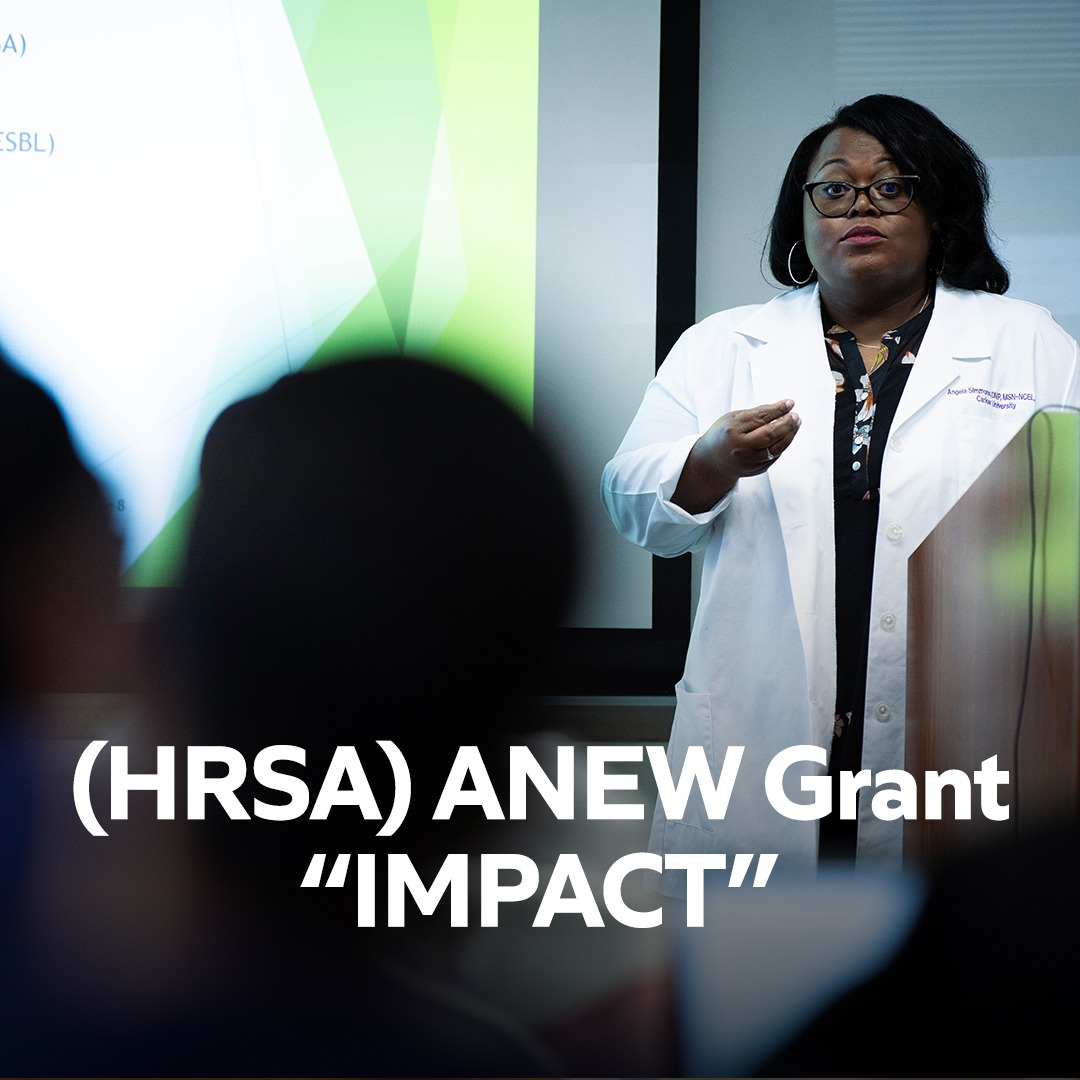
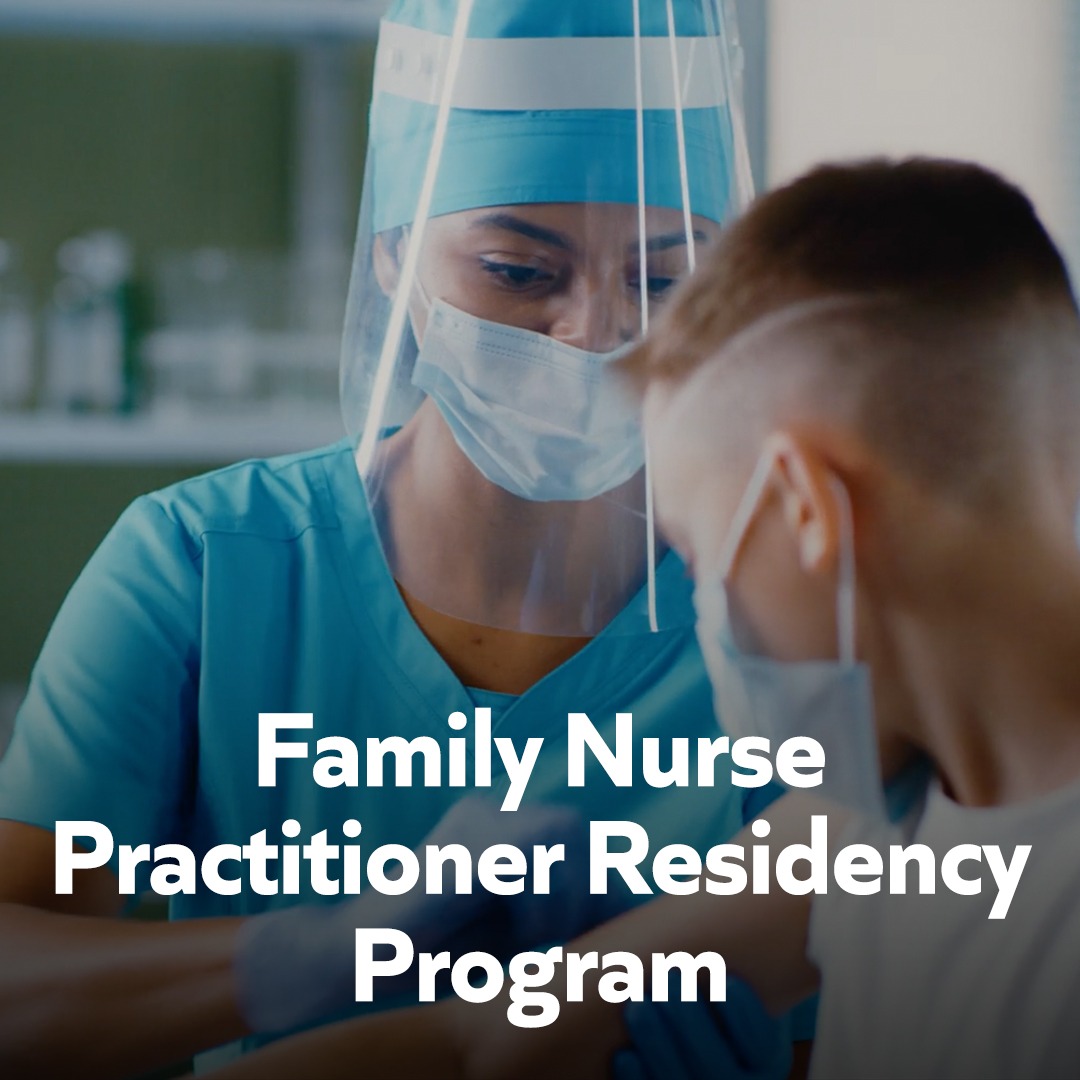
- On June 26th, 2023, Carlow University received over $2.6 million to increase the number of Family Nurse Practitioner graduates educated to provide primary care services, with advanced education in mental health, substance use disorders, and women’s and maternal health care. The Advanced Nursing Education Workforce (ANEW) grant – funded through the U.S. Health Resources and Services Administration (HRSA) is aimed at increasing access to primary care providers for those living in medically underserved communities. The goal of the grant is to make a BIG IMPACT on students, preceptors, and the underserved population through “Impacting Diversity and Education of Advanced Practice Registered Nurses for Healthy Communities”. Current full time FNP students are eligible to apply for up to $23,000 in tuition reimbursement.
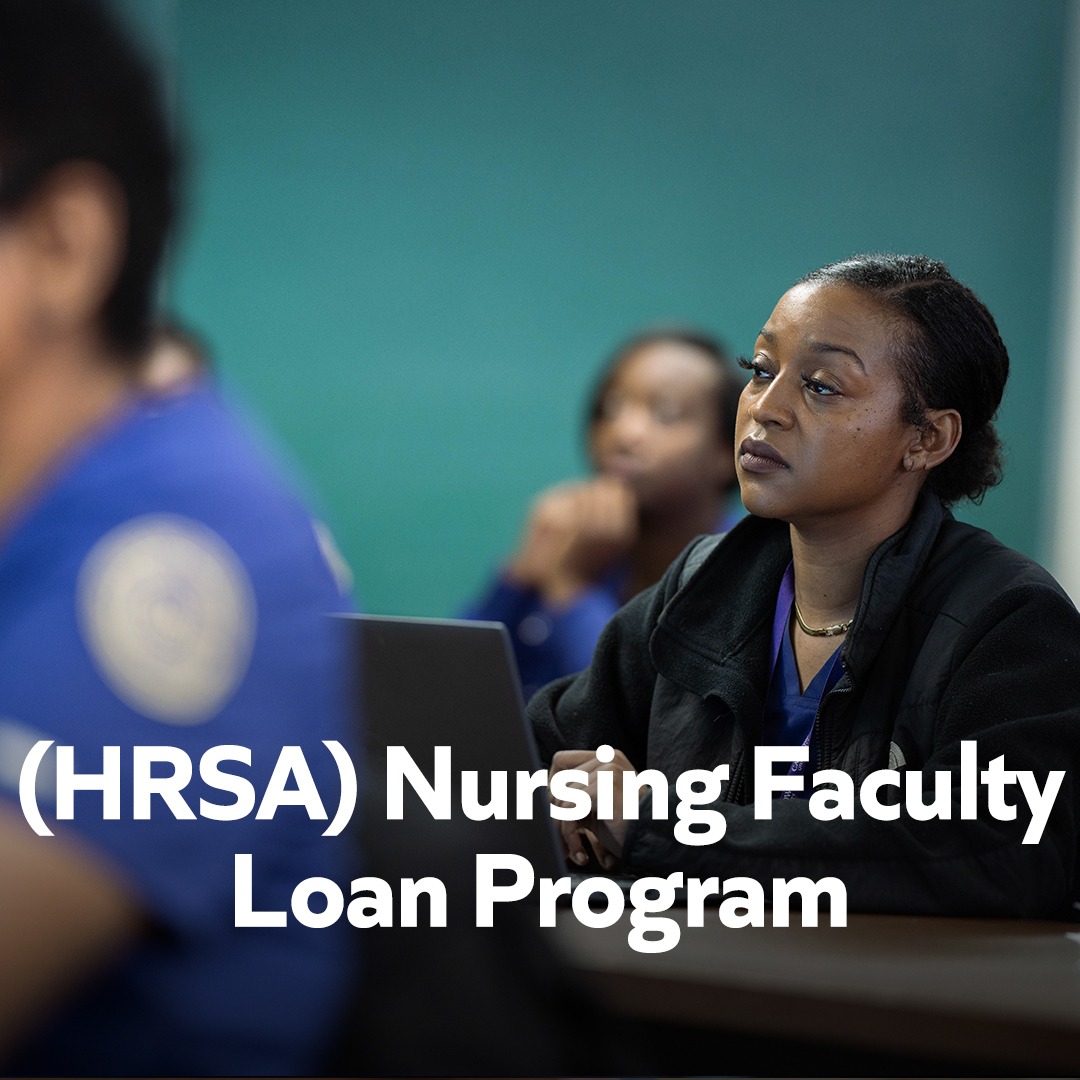
- HRSA Nursing Faculty Loan Program to repay 85% of tuition costs with post-graduate employment in the role of nursing educator.
- 97% AANP & 100% ANCC certification exam pass rate for FNPs
- “Very Strong” NCC certification exam pass rate for WHNPs
- In 2023, in partnership with the Pennsylvania Association of Community Health Centers Carlow University established a one-year pilot program, funded by a grant from the Pennsylvania Department of Health (DOH), to develop clinically sound evidence-based practicing NPs. FNP graduates have a year of residency (transition to primary care) after completion of an educational program at Carlow University.
- Carlow Graduate Nursing Department is a CEU provider through the American Academy of Nurse Practitioners (AANP) for professional development training for preceptors, clinical faculty, and students.
Discover the advantages of Carlow University’s Psychology, Counseling, and Criminology Programs
Are you interested in a career that benefits from a strong understanding of human behavior and mental processes? At Carlow, we prepare students with the knowledge and skills for a wide variety of careers involved in working with people in diverse ways.
Our undergraduate majors provide students with foundational knowledge in psychology, neuropsychology, and criminology, with opportunities to specialize in such areas as Child Development, Counseling, Crisis and Trauma, and Applied Criminal Justice. There are opportunities for field placements or to participate in faculty-led research teams. Can’t decide on one major? We make it easy to double major or add a minor or a concentration to your major, so you can explore all your interests.
At the graduate level, Carlow offers programs that prepare students for careers in mental health-related fields, research, fraud and forensics, and more.
At Carlow, we understand the needs of a diverse student body. Some of our programs can be completed fully online, offering flexibility and opening doors for students who are otherwise unable to pursue a degree. In addition, we offer accelerated pathways that help save students time and money so that they can achieve their goals sooner at a more affordable cost.




$4.9M
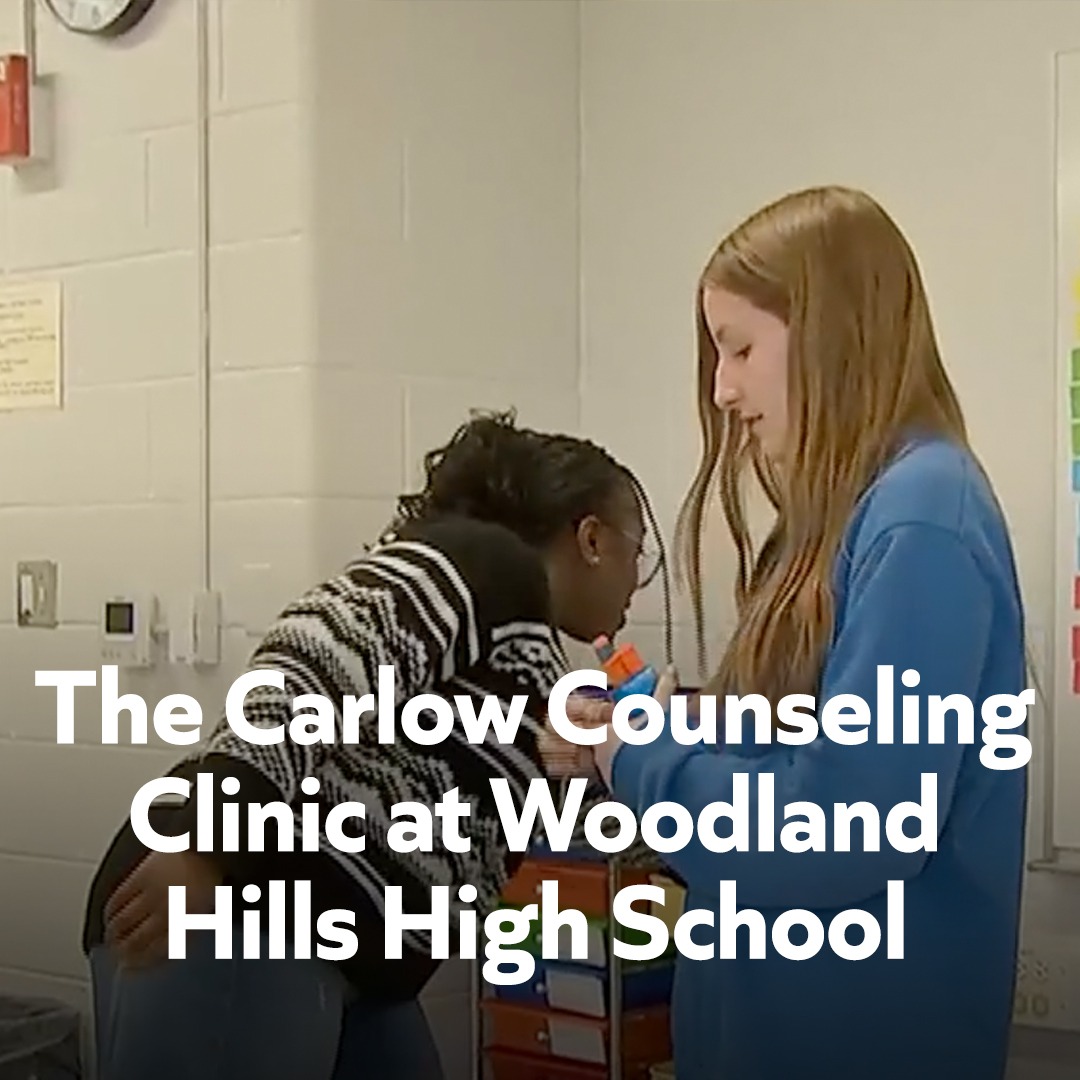
Grant awarded to Carlow to support a School-Based Mental Health program
$90k
in stipends available annually to Professional Counseling students
$1.9M
Grant awarded to the Carlow Underserved and Rural Engagement (CURE) program
Faculty & staff
Kunal Bhanot, PT, PhD, FAAOMPT Chair, Professor
Katie Shroyer PT,DPT, CBIS Director of Clinical Education, Assistant Professor
Chelsey Wojcik Larko, PT, DPT, NCS Assistant Professor
Accreditation
The PsyD in Counseling Psychology program is accredited by the American Psychological Association (APA). The MS in Professional Counseling program is accredited by the Council for Accreditation of Counseling and Related Educational Program (CACREP).
Discover the advantages of Carlow University’s Biology Programs
As a Biology or Health Science major at Carlow University, learn the scientific principles of living organisms, conduct student research, and prepare for your dream career or graduate studies in the healthcare, research, or environmental fields.
The biology major curriculum covers the entire scope of biological sciences from the structure and function of genes, proteins and cells to the ecology and evolution of organisms.
Specializations have been designed to accommodate your potential career path (cardiovascular perfusion, health science, environmental science & management, human biology).
Before graduating you will have the opportunity to conduct student research and/or complete a hands-on, experiential learning opportunity through the Senior Capstone course. Both provide an advantage for you as you pursue a career or graduate studies.



Faculty & staff
Our faculty and staff are devoted to creating an engaging and supportive learning environment, so our graduates are well prepared to achieve their goals with the skill sets needed to be successful in the 21st century workforce.
Kunal Bhanot, PT, PhD, FAAOMPT Chair, Professor
Katie Shroyer PT,DPT, CBIS Director of Clinical Education, Assistant Professor
Chelsey Wojcik Larko, PT, DPT, NCS Assistant Professor
View our student teaching handbook
View our education department handbook
Department Points of Pride
Choose your concentration:
Environmental Science
You will graduate career-ready with this dual-degree program that offers a bachelor’s and master’s degree in Environmental Science and Management. You will study how biological processes impact the environment and how to manage environmental issues in this 3+2 program in collaboration with Duquesne University’s Bayer School of Natural and Environmental Sciences.
Cardiovascular Perfusion
As you work toward your bachelor of science degree in Biology through Carlow University, you will complete requirements at UPMC Shadyside, while beginning your clinical training. In this accelerated Cardiovascular Perfusion program, you will pursue Biology within the tradition of the liberal arts while accumulating the technical proficiency and professional skills required of health care professionals.
The Master of Science in Cardiovascular Perfusion is offered in coordination with the UPMC School of Perfusion. Up to 15 students per year are accepted into the Master of Science program.
Human Biology
Through this holistic and interdisciplinary scientific study, you will examine and understand the complexities of humans through a variety of diverse fields. Be prepared to enter professional training in all areas of health care, including medicine, dentistry, optometry, osteopathy, physician’s assistant, physical therapy, pharmacy and podiatry.
© Copyright 2025 Carlow University. All rights reserved.
Carlow University prohibits sex discrimination in any education program or activity that it operates. Individuals may report concerns or questions to the Title IX Coordinator, Jackie smith at jmsmith@carlow.edu or 412-578-6050.