-
Give

At Carlow University, the next generation of ethical leaders is already in the making.
Here, our students gain more than just a degree – they build connections, find purpose, and thrive – working in ways big and small to reshape the future. With your support, we can continue to invest in these future leaders and expand their ability to transform our world.
How You Can Support
At Carlow University, the next generation of ethical leaders is already in the making.
Here, our students gain more than just a degree – they build connections, find purpose, and thrive – working in ways big and small to reshape the future. With your support, we can continue to invest in these future leaders and expand their ability to transform our world.
How You Can SupportWorkforce-Ready Nurses
The United States is facing a critical nursing shortage, and Western Pennsylvania is no exception. Healthcare systems are struggling to meet the growing demand for skilled nurses, particularly in long-term care, rehabilitation, and outpatient settings.
Thanks to generous funding from Allegheny Health Network (AHN) and the Eden Hall Foundation, Carlow University launched its Practical Nursing Certificate Program, a 16-month, full-time program designed to expedite entry into the workforce and bridge critical gaps in patient care. Unlike traditional multi-year nursing programs, LPN programs produce workforce-ready nurses in a fraction of the time, making them a potent solution to the ongoing shortage.
Since launch, the program has already made an outsize impact, with its success attracting attention from local press—most notably with a featured interview on WPXI’s “4 the Record.”

The Challenge: A Faster Solution to the Nursing Shortage
The U.S. healthcare system is at a crossroads, with a rapidly aging population and increasing patient care demands. Many hospitals and healthcare facilities struggle to maintain safe nurse-to-patient ratios, leading to burnout, higher turnover, and compromised patient care.
Why LPNs Are a Key Part of the Solution
LPNs can perform many of the same hands-on patient care duties as RNs, including:
- Administering medications and treatments
- Monitoring patient vital signs and symptoms
- Assisting with daily patient care, including mobility and hygiene
- Communicating with patients and families about care plans
- Collaborating with RNs and physicians to ensure quality treatment
With a shorter training period than RNs, LPN programs allow qualified candidates to enter the workforce more quickly, ensuring that hospitals, clinics, and long-term care facilities can fill staffing gaps without waiting years for new RN graduates.
Why LPNs Are a Key Part of the Solution
- 14% of nursing positions remain unfilled according to a recent survey by the Hospital and Healthsystem Association of Pennsylvania
- Pennsylvania is expected to face a shortage of 20,000 nurses by 2026
Carlow University recognized an urgent need to strengthen the LPN pipeline, ensuring that patients continue to receive high-quality care despite workforce shortages. However, launching a program of this scale required significant investment in faculty, clinical partnerships, and student support resources—a challenge that was overcome through philanthropic collaboration.
The Solution: Carlow University’s Practical Nursing Program
Strategic Investment from AHN & the Eden Hall Foundation
With funding from AHN and the Eden Hall Foundation, Carlow University was able to:
- Develop a cutting-edge curriculum tailored to real-world healthcare demands.
- Provide financial support for students through scholarships and tuition assistance.
- Expand clinical training opportunities by partnering with Pittsburgh-area healthcare providers.
- Increase accessibility by creating a fast, direct path into the workforce.
“This funding is more than just financial support—it’s an investment in the future of healthcare in Western Pennsylvania, allowing Carlow to remove barriers for students who may not have otherwise pursued a nursing career.” — Eden Foundation press release, 12/18/24
A Program Built for Speed & Impact
With the local healthcare system calling out for a solution, Carlow leadership was able to quickly provide one. The 16-month LPN program is designed to get students trained, licensed, and employed as quickly as possible—a crucial advantage in a field experiencing widespread shortages. Graduates leave with:
- High-demand clinical skills that prepare them for immediate employment
- Hands-on training from top healthcare partners in the Pittsburgh region
- A direct pathway to advanced nursing roles, including RN bridge programs
By offering an accelerated, workforce-focused education, Carlow ensures that hospitals, long-term care facilities, and outpatient centers gain skilled professionals when they need them most—right now.
Impact & Results
Our First Pinning Ceremony was held in December of 2024, marking a new milestone for Carlow’s nursing legacy. The success of the program is already visible:
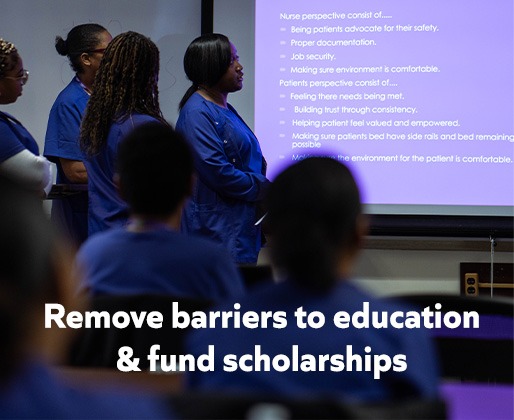
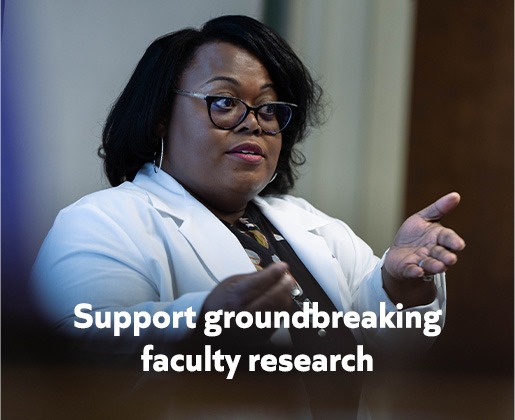
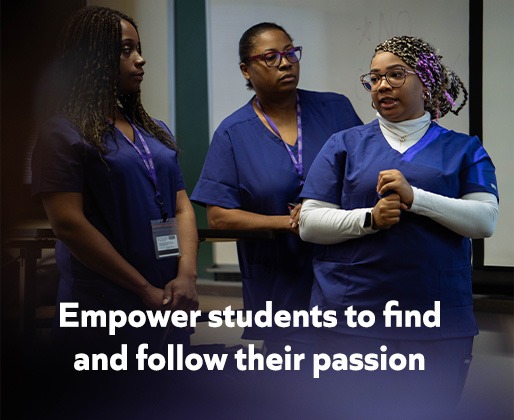
We are currently admitting our fourth cohort, and to date, have matriculated 59 students. Greater than 80% of those students are minority single mothers from Pittsburgh and the surrounding areas. Most are fielding offers of employment by the time they enter the final semester. Over 50% are employed within 3 months of graduating.
Beyond the numbers, Carlow’s LPN graduates are making an immediate impact—stepping into positions that might otherwise remain unfilled, easing the burden on overworked RNs, and helping ensure patients continue to receive high-quality care. They are working in the communities they live in at organizations like UPMC, AHN, the VA, nursing homes, outpatient clinics, pediatric, and adult home healthcare settings.
“We are committed to preparing skilled nurses who are ready to meet the needs of our healthcare system today—not years from now. This program is a direct response to the workforce crisis, creating opportunities for students while strengthening our community.” — Dr Kathy Humphrey, Carlow President
Voices of Change: Stories from the Field
“I’m grateful to Carlow that they gave everyone this opportunity to get where we want to go… That shows hope” — Patricia Garland, LPN Certificate Program Class of 2024
“Carlow’s LPN graduates are stepping in where we need them most—on the front lines of patient care. This program is a game-changer.” — Dr. Angela Simmons, Founding Director, LPN Program

More Than an Academic Initiative
The Carlow Practical Nursing Certificate Program is more than an academic initiative—it’s a fast, effective workforce solution. In addition to academic instruction, additional services provided to students include:
- Scholarships & Emergency Financial Aid
- Childcare Assistance
- Food & Housing Security Initiatives
- Hands-On Job Placement Services & Career Development
- Flexible Learning & Curriculum Support
- Program Coordination & Student Support Services
- Financial Literacy Workshops
Thanks to strategic funding and forward-thinking partnerships, Carlow is reducing barriers to nursing education while helping healthcare employers address staffing shortages now—not years from now.

Devoted to Community Impact
At Carlow University, our Master of Science in Criminology and Criminal Justice empowers you to lead with purpose and serve with integrity. Whether you’re advancing your career or shifting your path, you’ll find a supportive, student-focused environment focused on making a lasting impact. Join a network of changemakers shaping a more just and merciful world.
The program spans one year, with five specializations that are cross-disciplinary, and skills based. All students will complete the core program requirements (totaling 12 credits) and will select from two specialization tracks (each consisting of 9 credits for a total of 18 credits). Specialty tracks include Forensic Psychology, Public Safety, Fraud Investigation, Forensic Accounting, and Cyber Threat Analytics.
Credits required:
30 credits
Cost per credit:
$1,083/credit
Time to degree:
3 semesters with a fall start
4 semesters with a spring or summer start
Delivery:
On campus or Online
Where Theory Meets Real-World Application
The Carlow MS in Criminology and Criminal Justice offers students a 30-credit graduate degree that can be highly specialized depending on the student’s career interests. The program has four core courses (MCR 700 Advanced Criminological Theory, MCR 701 Justice Policy, PYM 706 Research Methods for the Social Sciences, and PYM 721 Systems of Criminal Justice) that form the foundation on which to build specialization.
Students can match any two of our five dynamic practice tracks to form unique learning experiences relevant to their future careers. Are you interested in developing skills to address financial crimes and money laundering? Complete the specialization tracks in Forensic Accounting and Fraud Investigation. Do you want to understand how psychological assessment and treatment affects police and those who are incarcerated? Complete the specialization tracks in Public Safety and Forensic Psychology. Have you considered entering federal law enforcement and pursuing bad actors on the dark web? Specializations in Cyber Threat Analytics and Forensic Psychology or Fraud Investigation may be your best academic option.
Quick facts
Whatever career path you are considering, the Carlow MS in Criminology and Criminal Justice can help support your training for those next steps. Unique aspects of the program include:
- Five unique specializations that are not commonly offered by competitor programs
- Heavy emphasis on applied skills development
- A potential blend of psychology and criminology options for those exploring both disciplines
- Professors with both research and field experience who not only teach, but engage with their area of specialized practice in the community
Specializations
The Forensic Psychology specialization develops students’ expertise at the juncture of psychology and the legal system, preparing them for roles in forensic, correctional, and clinical settings. Core courses cover competency evaluations, risk assessments, and ethical practice, while exploring criminal behavior’s psychological and social causes. Practical skills in motivational interviewing and offender treatment emphasize real-world application. This foundation prepares graduates to become ethical and effective forensic psychology professionals.
Fraud Investigation
The Fraud Investigation specialization equips students with knowledge and tools to detect, investigate, and prevent financial crimes in various settings. Students study white-collar crime motives and methods, money laundering mechanisms, and legal and investigative strategies. Ethics and prevention courses focus on risk minimization and fostering organizational integrity. This specialization suits those targeting careers in forensic accounting, compliance, corporate investigations, or financial regulation.
Forensic Accounting
The Forensic Accounting specialization prepares students to identify financial misconduct and support legal proceedings through investigative analysis. Foundational courses differentiate forensic from traditional accounting, emphasizing litigation support and fraud detection. Advanced study in financial statement examination and audit procedures builds skills in spotting red flags and employing controls to prevent fraud. The curriculum readies students for roles in fraud examination, financial forensics, compliance, and investigative accounting.
Public Safety
The Public Safety specialization is tailored for professionals working in high-pressure environments involving mental health, communication, and crisis response, especially first responders. Students learn to identify behavioral and substance-related signs in the field, apply de-escalation communication techniques, and adopt trauma-informed mental health approaches. Emphasis is placed on building trust, safety, and competence in complex situations. This program prepares students for enhanced public safety roles requiring psychological insight and crisis management skills.
Cyber Threat Analytics
The Cyber Threat Analytics specialization prepares students to detect, analyze, and respond to evolving digital threats. Courses on cybercrime cover tactics like hacking and identity theft, while dark web analysis trains safe and effective investigation of illicit online activity. Advanced cyber analysis focuses on using cutting-edge tools to identify patterns and generate actionable intelligence. This specialization is ideal for careers in cybersecurity, digital forensics, intelligence, and cybercrime investigation.
Alternate degree completion options
Online Degree
Gain the knowledge you need at your convenience with our online degree option. When applying, indicate your interest in the online option.
Accelerated
Fast track your way to a master’s by taking graduate courses as an undergraduate student. Course credits count towards both degrees. Apply for this option after your sophomore year.



Career opportunities for Criminology graduates
Jobs you might consider with a master’s in criminology & criminal justice are federal law enforcement, reentry specialist, forensic analyst, cyber threat analyst, loss prevention specialist, criminal justice policy advisor, criminal justice advocacy coordinator, criminology research analyst, litigation support specialist, corporate compliance officer, or probation officer (advanced roles or supervisors).
Accreditation
The Carlow MCRM program does not have any required accrediting bodies.
Admission requirements and application process
- Submit an application for admission. It is free to apply.
- Request that official transcripts from all current and previous institutions you’ve attended are sent directly to the Carlow University Office of Admissions.
Apply
anytime
Start terms:
Fall, Spring & Summer
Criminology faculty


Alexa Piacquadio, PhD Assistant Professor of Undergraduate Psychology and Master of Arts in Psychology
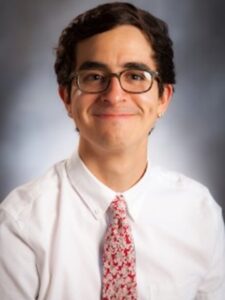
Jonathan Uhl, PhD Assistant Professor of Criminology, Program Director of Undergraduate Criminology
Contact Admissions
If you are interested in this major, our Admissions team is available to help you with the next steps, including scheduling an on-campus visit or attending an upcoming event.
SLATE GOES HERE
Pittsburgh Technical College Students Teach-Out Program
Carlow University has always sought to meet students where they are and meaningfully engage with the community, all with the goal of creating a more just and merciful world. To that end, we are pleased to announce a teach-out agreement for students affected by the recent closure of Pittsburgh Technical College (PTC). The aim is to provide an uninterrupted education to PTC students, giving them the opportunity to complete their degree.
As part of this agreement, Carlow will:
• Accept credits earned at PTC by potential transfer students
• Make available transfer guides for select majors
For its part, Pittsburgh Technical College has agreed to make all student information available to Carlow upon request, allowing for the smooth transition of all PTC transfers.
The Carlow Difference
Carlow University is more than a place to polish off those last few credits before graduation. Our students train to become compassionate leaders who will change the world for the better, with faculty and staff dedicated to guiding your journey, wherever it may lead.
When you choose Carlow, you’ll receive:
• Advice from a dedicated enrollment counselor, devoted to your seamless transition into your chosen area of study
• A supportive, collaborative community
• A holistic education rooted in the values of Mercy, Service, Discovery, and Hospitality
However long you spend with us, your time at Carlow is sure to be transformational.
Available programs for
impacted students
While all transfers are welcome in the Carlow community, we believe the following academic programs are particularly well suited for PTC students:
• Bachelor in Business Management
• Practical Nurse Certificate
• Associate in Surgical Technology
If you don’t see your major on the list above, Carlow has a variety of academic offerings for those looking to reach their full potential.

Get started today
Choosing Carlow as your transfer destination means joining an institution whose legacy of service and excellence goes back nearly a century. Curious? Then take the next step.
Contact Kali Aughenbaugh, Enrollment Counselor:
• 412-578-6094 (office)
• 412-910-1040 (text)
• kaughenbaugh@carlow.edu
Classes begin on August 26, 2024. Don’t delay – get started today!

Kali Aughenbaugh Enrollment Counselor
Tips for MSW Course Planning
The sequencing below is an example of the quickest route to program completion and based on the semester students begin the program, and their selected program option (online or in-person/hybrid.) MSW students are not required to take courses in this exact sequence and may complete the program part-time or full-time and are encouraged to devise a plan that best fits their unique situations and needs. Please meet with your MSW Faculty Advisor each semester to select the course plan that is best for yoru needs. Each MSW, ED and SPED course is NOT offered every semester, your advisor can assist you in planning appropriately for sequences other than the examples below. (Please note a full-time course load in graduate school is defined as 6-credits per semester, or more for financial-aid purposes.) Pennsylvania requires any social worker seeking the Pennsylvania School Social Work Certification to be a Licensed Social Worker (LSW) in the State of Pennsylvania before this certification is issued.
Advanced Standing Students
First Year (Fall)
MSW711 Ethics Across Social Work – 3 credits
MSW752 OR MSW727 Trauma-Informed Community Practice OR Complex Trauma – 3 credits
MSW720 Multidimensional Assessment – 3 credits
First Year (Spring)
MSW723 Applied Research: Assessment and Evaluation – 3 credits
MSW741 Social Work in Schools – 3 credits
ED778 Designed for Difference – 3 credits
First Year (Summer)
MSW724 Strength Based Leadership – 3 credits
Second Year (Fall)
MSW732 Field Placement II (Must be taken with MSW-733) – 3 credits
MSW733 Field Placement Seminar II (Must be taken with MSW-732) – 3 credits
SPED770 OR SPED773 Meeting the Needs of Mild/moderate OR Positive Behavior Supports PreK-12 – 3 credits
Second Year (Spring)
MSW734 Field Placement III (Must be taken with MSW735) – 3 credits
MSW735 Field Placement Seminar III (Must be taken with MSW734) – 3 credits
MSW736 Advanced Practice Colloquium (take in final semester) – 3 credits
Total Credits = 39
DISCLAIMER: This plan is subject to the availability of courses in a particular term. Updated May 2024.
Traditional Students
First Year (Fall)
MSW700 The Foundations of Generalist Practice – 3 credits
MSW702 Social Welfare and Policy – 3 credits
MSW714 Human Behavior in the Social Environment (HBSE) – 3 credits
First Year (Spring)
MSW715 Diversity, Inclusion & Cultural Humility – 3 credits
MSW716 Human Behavior in the Macro Social Environment – 3 credits
MSW720 Multidimensional Assessment – 3 credits
First Year (Summer)
MSW730 Field Placement I (Must be taken with MSW-731) – 3 credits
MSW731 Field Placement Seminar I (Must be taken with MSW-730) – 3 credits
Second Year (Fall)
MSW711 Ethics Across Social Work – 3 credits
MSW723 Applied Research: Assessment and Evaluation – 3 credits
MSW752 OR MSW727 Trauma Informed Community Practice OR Complex Trauma – 3 credits
Second Year (Spring)
MSW741 Social Work in Schools – 3 credits
MSW724 Strength Based Leadership – 3 credits
ED778 Designed for Difference – 3 credits
Third Year (Fall)
MSW732 MSW Field Placement II (Must be taken with MSW733) – 3 credits
MSW733 MSW Field Placement II (Must be taken with MSW732) – 3 credits
SPED770 OR SPED773 Meeting the Needs of Mild/moderate OR Positive Behavior Supports PreK-12 – 3 credits
Third Year (Summer)
MSW734 MSW Field Placement III (Must be taken with MSW735) – 3 credits
MSW-735 MSW Field Seminar III (Must be taken with MSw-734) – 3 credits
MSW-736 Advanced Practice Colloquium (Take in final semester) – 3 credits
Total Credits = 60
DISCLAIMER: This plan is subject to the availability of courses in a particular term. Updated May 2024.
Post Graduate MSW School Social Work Certificate
First Year (Fall)
MSW727 OR MSW752 Complex Trauma OR Trauma Informed Practice – 3 credits
SPED770 OR SPED773 Meeting the Needs of Mild/moderate OR Positive Behavior Supports PreK-12 – 3 credits
MSWXXX School-Based Field Placement – 3 credits
First Year (Spring)
MSW741 Social work in Schools – 3 credits
ED778 Designed for Difference – 3 credits
Total Credits = 15
DISCLAIMER: This plan is subject to the availability of courses in a particular term. Updated May 2024.
Tips for MSW Course Planning
The sequencing below is an example of the quickest route to program completion and based on the semester students begin the program, and their selected program option (online or in-person/hybrid.) MSW students are not required to take courses in this exact sequence and may complete the program part-time or full-time and are encouraged to devise a plan that best fits their unique situations and needs. Please meet with your MSW Faculty Advisor each semester to select the course plan that is best for your needs. Each MSW course is NOT offered every semester, your advisor can assist you in planning appropriately for sequences other than the examples below. (Please note a fulltime course load in graudate school is defined as 6-credits per semester, or more for financial-aid purposes.)
Advanced Standing Students
First Year (Fall)
MSW720 Multidimensional Assessment- 3 credits
MSW723 Applied Research: Assessment and Evaluation – 3 credits
MSW726 Advocacy Practice for Social Justice – 3 credits
MSW752 Trauma Informed Community Practice – 3 credits
First Year (Spring)
MSW721 Human Service Management and Grant Writing – 3 credits
MSW724 Strength-Based Leadership – 3 credits
MSWXXX Elective of Choice – 3 credits
Second Year (Fall)
MSW732 Field Placement II (Must be taken with MSW733) – 3 credits
MSW733 Field Placement Seminar II (Must be taken with MSW732) – 3 credits
MSW711 Ethics Across Social Work Practice – 3 credits
Second Year (Spring)
MSW734 Field Placement III (Must be taken with MSW735) – 3 credits
MSW735 Field Placement Seminar III (Must be taken with MSW734) – 3 credits
MSW736 Advanced Practice Colloquium (take in final semester) – 3 credits
Total Credits = 39
Traditional Students
First Year (Fall)
MSW700 The Foundations of Generalist Practice – 3 credits
MSW702 Social Welfare and Policy – 3 credits
MSW714 Human Behavior in the Social – 3 credits
First Year (Spring)
MSW715 Diversity, Inclusion & Cultural Humility – 3 credits
MSW716 Human Behavior in the Macro Social Environment – 3 credits
MSW723 Applied Research: Assessment and Evaluation- 3 credits
Second Year (Fall)
MSW730 Field Placement I (Must be taken with MSW-731) – 3 credits
MSW731 Field Placement Seminar I (Must be taken with MSW-730) – 3 credits
MSW711 Ethics Across Social Work – 3 credits
MSW720 Multidimensional Assessment – 3 credits
Second Year (Spring)
MSW721 Human Service Management and Grant Writing – 3 credits
MSW724 Strength-Based Leadership – 3 credits
MSWXXX Elective of Choice- 3 credits
Third Year (Fall)
MSW732 Field Placement II (Must be taken with MSW733) – 3 credits
MSW733 Field Placement Seminar II (Must be taken with is MSW732) – 3 credits
MSW726 Advocacy Practice for Social Justice – 3 credits
MSW752 Trauma Informed Community Practice – 3 credits
Third Year (Summer)
MSW734 Field Placement III (Must be taken with MSW734)- 3 credits
MSW735 Field Placement Seminar III (Must be taken with MSW733) – 3 credits
Total Credits = 60
Two-Year Completion for Traditional Students
First Year (Fall)
MSW700 The Foundations of Generalist Practice – 3 credits
MSW702 Social Welfare and Policy – 3 credits
MSW714 Human Behavior in the Social – 3 credits
MSW715 Diversity, Inclusion & Cultural Humility – 3 credits
First Year (Spring)
MSW716 Human Behavior in the Macro Social Environment – 3 credits
MSW720 Multidimensional Assessment – 3 credits
MSW730 Field Placement I (Must be taken with MSW-731) – 3 credits
MSW731 Field Placement Seminar I (Must be taken with MSW-730) – 3 credits
First Year (Summer)
MSW724 Strength-Based Leadership – 3 credits
MSW752 Trauma Informed Community Practice – 3 credits
Second Year (Fall)
MSW726 Advocacy Practice for Social Justice – 3 credits
MSW711 Ethics Across Social Work – 3 credits
MSW723 Applied Research: Assessment and Evaluation – 3 credits
Second Year (Spring)
MSW721 Human Service Management and Grant Writing – 3 credits
MSW732 Field Placement II (Must be taken with MSW733) – 3 credits
MSW733 Field Placement Seminar II (Must be taken with is MSW732) – 3 credits
MSW-XXX Elective of Choice – 3 credits
Second Year (Summer)
MSW734 Field Placement III (Must be taken with MSW734)- 3 credits
MSW735 Field Placement Seminar III (Must be taken with MSW733) – 3 credits
MSW736 Advanced Practice Colloquium – 3 credits
Total Credits = 60
Tips for MSW Course Planning
The sequencing below is an example of the quickest route to program completion and based on the semester students begin the program, and their selected program option (online or in-person/hybrid.) MSW students are not required to take courses in this exact sequence and may complete the program part-time or full-time and are encouraged to devise a plan that best fits their unique situations and needs. Please meet with your MSW Faculty Advisor each semester to select the course plan that is best for your needs. Each MSW course is NOT offered every semester, your advisor can assist you in planning appropriately for sequences other than the examples below. (Please note a fulltime course load in graduate school is defined as 6-credits per semester, or more for financial-aid purposes.)
Advanced Standing Students
First Year (Fall)
MSW711 Ethics Across Social Work – 3 credits
MSW720 Multidimensional Assessment – 3 credits
MSW722 Mental Health and Diagnosis – 3 credits
First Year (Spring)
MSW723 Applied Research: Assessment and Evaluation – 3 credits
MSW724 Strength Based Leadership – 3 credits
MSW725 Treatment Approaches in Direct Practice – 3 credits
MSWXXX MSW Elective of Choice – 3 credits
Second Year (Fall)
MSW732 Field Placement II (Must be taken with MSW-733) – 3 credits
MSW733 Field Placement Seminar II (Must be taken with MSW-732) – 3 credits
MSW727 Complex Trauma – 3 credits
Second Year (Spring)
MSW734 Field Placement III (Must be taken with MSW735) – 3 credits
MSW735 Field Placement Seminar III (Must be taken with MSW734) – 3 credits
MSW736 Advanced Practice Colloquium (take in final semester) – 3 credits
Total Credits = 39
Tips for MSW Course Planning
The sequencing below is an example of the quickest route to program completion and based on the semester students begin the program, and their selected program option (online or in-person/hybrid.) MSW students are not required to take courses in this exact sequence and may complete the program part-time or full-time and are encouraged to devise a plan that best fits their unique situations and needs. Please meet with your MSW Faculty Advisor each semester to select the course plan that is best for your needs. Each MSW course is NOT offered every semester. Your advisor can assist you in planning appropriately for sequences other than the examples above. (Please note a full-time course load in graduate school is defined as 6-credits per semester, or more for financial-aid purposes.) *Pennsylvania requires any social worker seeking the Pennsylvania School Social Work Certification to be a Liciensed Social Worker (LSW) in the State of Pennsylvania before this certificate is issued.
DISCLAIMER: This plan is subject to the availability of courses in a particular term. Updated May 2024.
Traditional Students
First Year (Fall)
MSW700 The Foundations of Generalist Practice – 3 credits
MSW702 Social Welfare and Policy – 3 credits
MSW714 Human Behavior in the Social Environment (HBSE) – 3 credits
First Year (Spring)
MSW715 Diversity, Inclusion & Cultural Humility – 3 credits
MSW716 Human Behavior in the Macro Social Environment – 3 credits
MSW724 Strength Based Leadership – 3 credits
Second Year (Fall)
MSW730 Field Placement I (Must be taken with MSW-731) – 3 credits
MSW731 Field Placement Seminar I (Must be taken with MSW-730) – 3 credits
MSW711 Ethics Across Social Work – 3 credits
MSW720 Multidimensional Assessment – 3 credits
Second Year (Spring)
MSW722 Mental Health and Diagnosis – 3 credits
MSW723 Applied Research: Assessment and Evaluation – 3 credits
MSWXXX MSW Elective of Choice – 3 credits
Third Year (Fall)
MSW732 MSW Field Placement II (Must be taken with MSW733) – 3 credits
MSW733 MSW Field Placement II (Must be taken with MSW732) – 3 credits
MSW727 Complex Trauma – 3 credits
MSW725 Treatment Approaches in Direct Practice – 3 credits
Third Year (Summer)
MSW734 MSW Field Placement III (Must be taken with MSW735) – 3 credits
MSW-735 MSW Field Seminar III (Must be taken with MSW-734) – 3 credits
MSW-736 Advanced Practice Colloquium (Take in final semester) – 3 credits
Total Credits = 60
Tips for MSW Course Planning
The sequencing below is an example of the quickest route to program completion and based on the semester students begin the program, and their selected program option (online or in-person/hybrid.) MSW students are not required to take courses in this exact sequence and may complete the program part-time or full-time and are encouraged to devise a plan that best fits their unique situations and needs. Please meet with your MSW Faculty Advisor each semester to select the course plan that is best for your needs. Each MSW course is NOT offered every semester. Your advisor can assist you in planning appropriately for sequences other than the examples above. (Please note a full-time course load in graduate school is defined as 6-credits per semester, or more for financial-aid purposes.) *Pennsylvania requires any social worker seeking the Pennsylvania School Social Work Certification to be a Liciensed Social Worker (LSW) in the State of Pennsylvania before this certificate is issued.
DISCLAIMER: This plan is subject to the availability of courses in a particular term. Updated May 2024.
2 Year Degree Completion Option for Traditional Students
First Year (Fall)
MSW700 The Foundations of Generalist Practice – 3 credits
MSW702 Social Welfare and Policy – 3 credits
MSW714 Human Behavior in the Social Environment (HBSE) – 3 credits
MSW715 Diversity, Inclusion & Cultural Humility – 3 credits
First Year (Spring)
MSW716 Human Behavior in the Macro Social Environment – 3 credits
MSW720 Multidimensional Assessment – 3 credits
MSW730 Field Placement I (Must be taken with MSW-731) – 3 credits
MSW731 Field Placement Seminar I (Must be taken with MSW-730) – 3 credits
First Year (Summer)
MSW724 Strength Based Leadership – 3 credits
MSW727 Complex Trauma – 3 credits
Second Year (Fall)
MSW722 Mental Health and Diagnosis – 3 credits
MSW723 Applied Research: Assessment and Evaluation – 3 credits
MSW711 Ethics Across Social Work – 3 credits
Second Year (Spring)
MSW725 Treatment Approaches in Direct Practice – 3 credits
MSW732 MSW Field Placement II (Must be taken with MSW733) – 3 credits
MSW733 MSW Field Placement II (Must be taken with MSW732) – 3 credits
MSWXXX MSW Elective of Choice – 3 credits
Second Year (Summer)
MSW734 MSW Field Placement III (Must be taken with MSW735) – 3 credits
MSW-735 MSW Field Seminar III (Must be taken with MSW-734) – 3 credits
MSW-736 Advanced Practice Colloquium (Take in final semester) – 3 credits
Total Credits = 60
Tips for MSW Course Planning
The sequencing below is an example of the quickest route to program completion and based on the semester students begin the program, and their selected program option (online or in-person/hybrid.) MSW students are not required to take courses in this exact sequence and may complete the program part-time or full-time and are encouraged to devise a plan that best fits their unique situations and needs. Please meet with your MSW Faculty Advisor each semester to select the course plan that is best for your needs. Each MSW course is NOT offered every semester. Your advisor can assist you in planning appropriately for sequences other than the examples above. (Please note a full-time course load in graduate school is defined as 6-credits per semester, or more for financial-aid purposes.) *Pennsylvania requires any social worker seeking the Pennsylvania School Social Work Certification to be a Liciensed Social Worker (LSW) in the State of Pennsylvania before this certificate is issued.
DISCLAIMER: This plan is subject to the availability of courses in a particular term. Updated Fall 2023.



Latest Episode
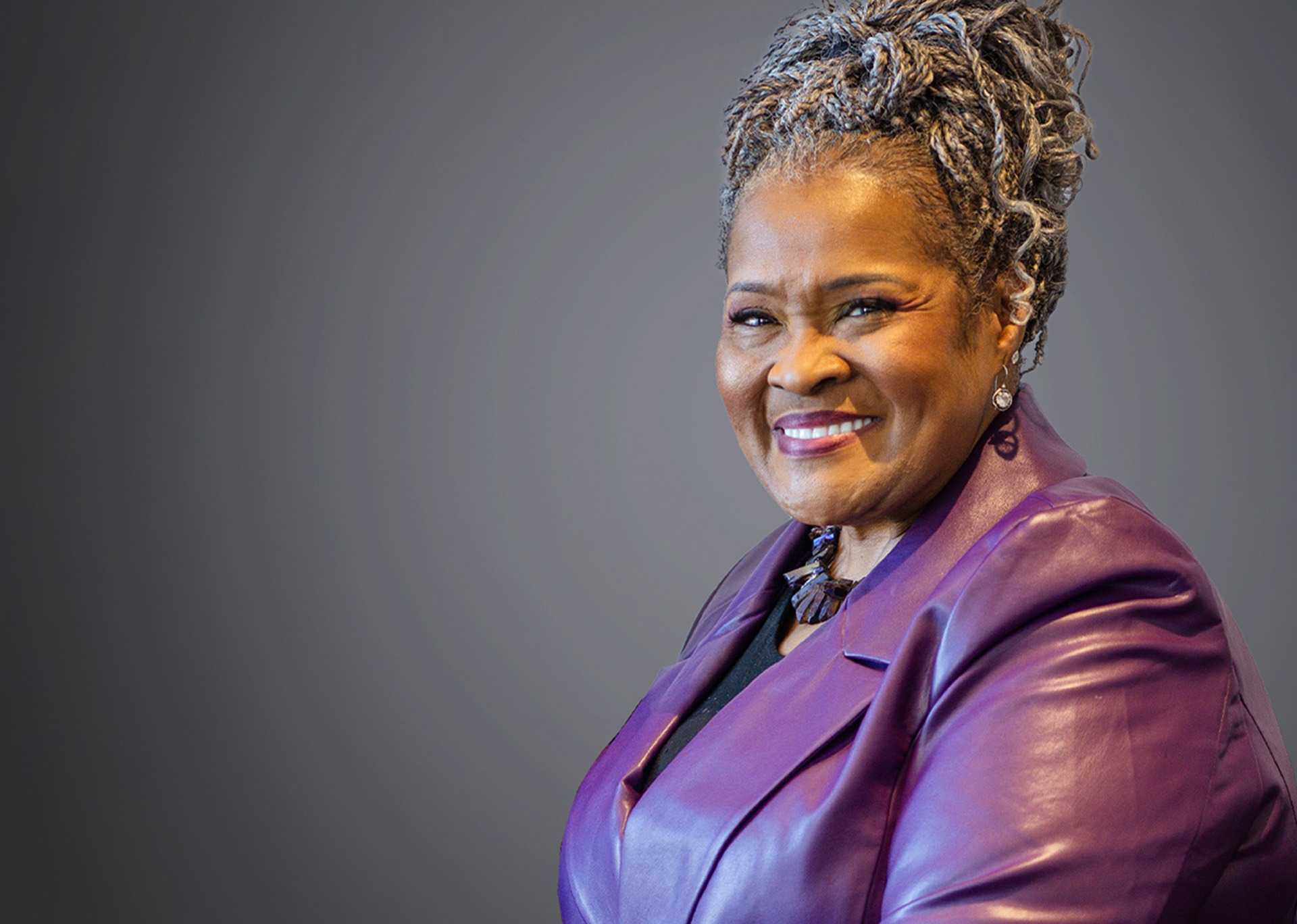
Bobbi Watt Geer — The Call of Community Work
Season 2, Episode 12 | 21 minutes
This week on A More Just & Merciful World, Dr. Kathy Humphrey is joined by Bobbi Watt Geer, Ph.D., President and CEO of United Way of Southwestern Pennsylvania, for an inspiring conversation about service, leadership, and the power of community.
Together, they discuss Bobbi’s lifelong commitment to public service, the importance of strong community partnerships, and how organizations like United Way are helping create a more just, compassionate, and equitable world.
Episodes
Pat McCann | Walking with Courage
Episode 1 | 36 minutes
AJ Jefferson | Embracing Chaos
and Creating Stability
Episode 2 | 23 minutes
Sabrina Saunders Mosby | Essential Community
Episode 3 | 24 minutes
Betsy Benson | Journey and Opportunity
Episode 4 | 27 minutes
Andy Masich | Pursuing Passion and Purpose
Episode 5 | 33 minutes
Dan Rooney | Leading the Steeler Way
Episode 6 | 20 minutes
Sister Bonnie Heh and Thelma Lovette Morris | Enriching the Carlow Legacy
Episode 7 | 25 minutes
James Keenan | The Core of Mercy
Episode 8 | 25 minutes
Rob Cherry | Balancing Workforce Education and Needs
Episode 9 | 22 minutes
Sara Innamorato | The Pull of Public Service
Episode 10 | 28 minutes
Mayor Corey O’Connor | Continuing to Build a Better Pittsburgh
Episode 11 | 25 minutes
Richard Blanco | The Power of Words in a Just and Merciful World
Episode 1 | 34 minutes
John Fernández & Amy Bowman | Solutions for a More Sustainable World
Episode 2 | 38 minutes
Erin Mallea & Sarah Shotland | Social Justice as an Art form
Episode 3 | 34 minutes
Evan Rosenberg | Human Connection and Ethical Leadership
Episode 4 | 29 minutes
Sister Sheila Carney | Walking Into the Chaos of Others
Episode 5 | 27 minutes
Vincent D. Rougeau | Cultivating Diversity in Catholic Colleges
Episode 6 | 29 minutes
FRZY | Inspiring Greatness Starts Within
Episode 7 | 27 minutes
John McDarby | The Story of Sister Veronica McDarby
Episode 8 | 35 minutes
Bishop David Zubik | Embracing One’s Calling
Episode 9 | 29 minutes
Stefani Pashman | Today’s Workforce: Bridging Capability & Creativity
Episode 10 | 32 minutes
Christina Cassotis | Leading with Vision, Building with Boldness
Episode 11 | 28 minutes
Michele Atkins | The Ethical Path
Episode 12 | 23 minutes
Dr. Mike Sherrill | Faith, Calling, and Purpose
Episode 13 | 24 minutes
Kent and Erica Chevalier | Courage in Chaos
Episode 14 | 37 minutes
Bishop Mark Eckman | A New Installation, a Familiar Purpose, and a Call to Lead
Episode 15 | 30 minutes
Stay Curious
Season 2 of A More Just and Merciful World is here! Join our virtual community and be the first to learn about exciting campus happenings, new Carlow Impact Series events, Dr. Humphrey’s latest podcasts, change-making alumni, academic programs shaping the future of ethical leadership, and so much more.
Loading…
Empowering Movement, Transforming Lives: Your Journey Starts Here!
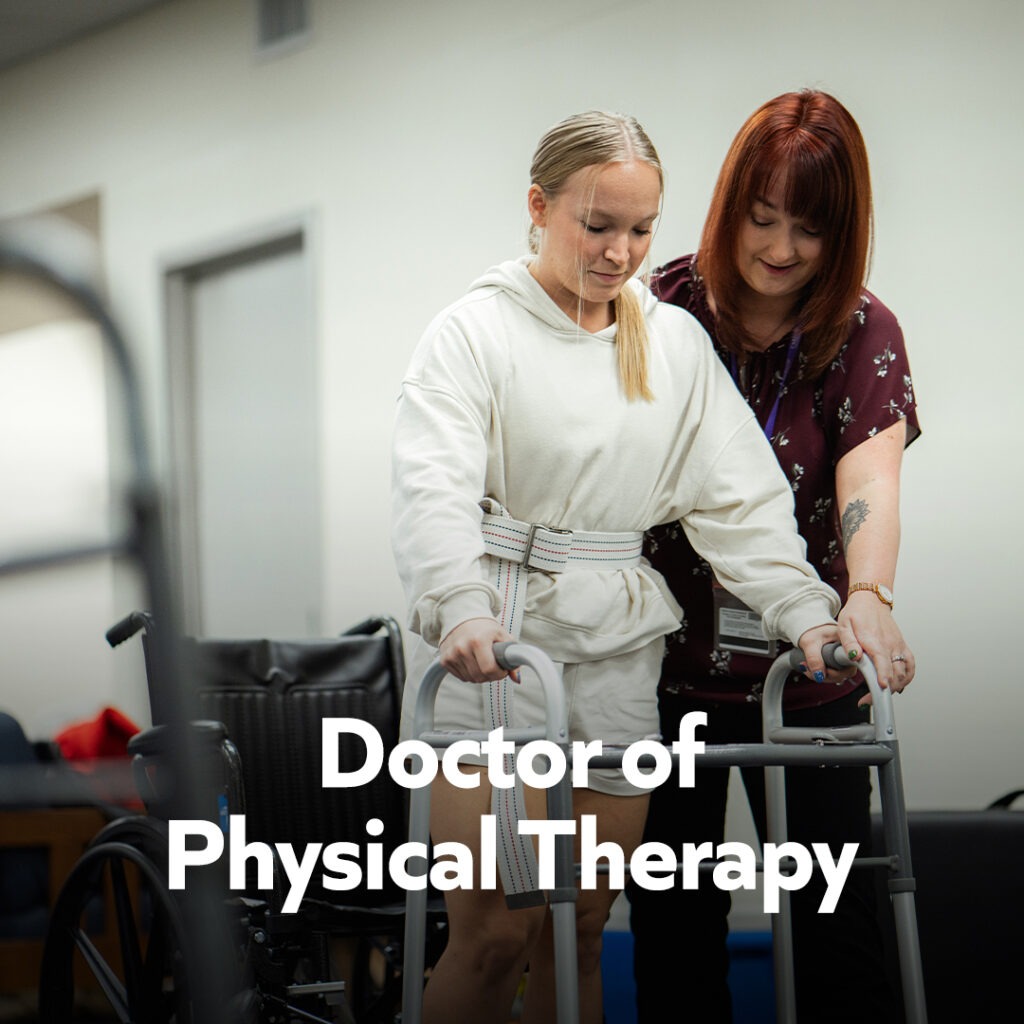
The programs offered in the Department of Physical Therapy program at Carlow University encompass the Mercy mission to serve the community by promoting the dignity of every person, advocating for equity and inclusion to address matters of social justice. At Carlow, we believe that non-technical skills are equally essential to your health professional training as the technical skills. Our programs emphasize three important habits of healthcare practice: Heart (professional formation/responsibilities), Head (cognitive knowledge), and Hand (clinical skills). It is the training in the habits of the heart that will allow you to act above and beyond your technical responsibilities and advocate for your patients. We strive to graduate healthcare professionals who would use the following principles within their professional practice.
- Healthcare equity is the cornerstone of a healthy society.
- Health and wellness promotion for the population/community is essential in conjunction with individual patient care.
- Every individual is a leader who must be prepared for a dynamic healthcare environment.
- Clinical decision-making shall be based on the three pillars of evidence-informed practice (using the best available research evidence, applying clinical experience/expertise, and incorporating patients’/clients’ beliefs and values with empathy and compassion).
- Physical therapy graduates and clinicians must be proficient in clinical competencies based on the contemporary standards of physical therapy practice.
Small
class sizes to provide individual attention
International
clinical experience opportunities
Engage
in experiential learning on Carlow campus
Faculty & staff
Our faculty comprises practicing clinicians with a wealth of experience in physical therapy, blending real-world insights with academic rigor. As experienced educators, they impart their passion for the profession to students, nurturing a commitment to clinical excellence. Join us to learn from the best and embark on your journey towards mastery. Contact us at DPTProgram@carlow.edu.
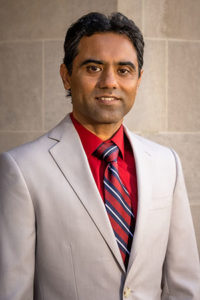
Kunal Bhanot, PT, PhD, FAAOMPT Chair, Professor

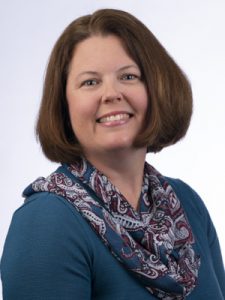
Katie Shroyer PT,DPT, CBIS Director of Clinical Education, Assistant Professor

Chelsey Wojcik Larko, PT, DPT, NCS Assistant Professor
Accreditation
Effective 04/25/23, Carlow University, Doctor of Physical Therapy program, has been granted Candidate for Accreditation status by the Commission on Accreditation in Physical Therapy Education (3030 Potomac Ave., Suite 100, Alexandria, Virginia 22305-3085; phone: 703-706-3245; email: accreditation@apta.org). If needing to contact the program/institution directly, please email: dptprogram@carlow.edu. Candidate for Accreditation is an accreditation status of affiliation with the Commission on Accreditation in Physical Therapy Education that indicates the program may matriculate students in technical/ professional courses. Achievement of Candidate for Accreditation status does not assure that the program will be granted Initial Accreditation.
Department Points of Pride
- Emphasis on Interprofessional education
- Focus on community health and service learning
- Inculcate the habits of the Heart, Head, and Hand
- Develop healthcare leaders and entrepreneurs
Follow us on social media


© Copyright 2026 Carlow University. All rights reserved.
Carlow University prohibits sex discrimination in any education program or activity that it operates. Individuals may report concerns or questions to the Title IX Coordinator, Jackie smith at jmsmith@carlow.edu or 412-578-6050.