Dr. Ashley Cole’s story at Carlow began long before she stepped into a leadership role. She first arrived on campus in 2004 as a nursing student, drawn to a profession she had imagined for herself since childhood.
“It was kind of the cliché response,” she said. “It’s something I wanted to do ever since I was a little kid. I’ve always been a caring person, always wanting to take care of people.”
What she found at Carlow University made it easy to stay. After earning her Bachelor of Science in Nursing, she continued on for her master’s and doctorate, eventually returning as a faculty member. Today, as Program Director of Undergraduate Nursing, she leads the same program that shaped her.
“As a student, you felt so supported,” she said. “And that’s how I want all of my students to feel.”
A Community Built on Support
That sense of support is not incidental. It is built into the structure and culture of the program.
Although it varies by semester, the student-to-faculty ratio in Carlow’s BSN program is around 8:1, allowing students to form close relationships with their instructors. For Dr. Cole, that connection begins with something simple. “Being able to just pop into my office without an appointment,” she said, “that really shows how comfortable students feel and how approachable we are.”
Those relationships extend beyond coursework. Students visit looking for help with assignments, but also for reassurance and mentorship: “I want them to feel like they can come to me with anything. Not just a nursing course question, but for advice, for guidance.”
Growing Through the Experience
That support becomes especially important as students move through the demands of the program. Many arrive straight from high school, excited but unsure of what lies ahead. The first year introduces them to the academic rigor of nursing, laying the foundation for what is to come.
As they progress into their sophomore and junior years, the pace intensifies. Students begin applying their knowledge in simulation labs and clinical settings, learning to translate theory into practice.
“We’re not just treating them like they’re here to take courses and go home,” said Dr. Cole. “We’re really supporting them, making sure they feel welcome, they feel guided.”
“You see them day one, year one, when they’re frustrated and feel defeated, like, ‘Can I really do this?’” she continued. “And then you see them in their senior year, preparing for graduation, accepting jobs. Just seeing how much they’ve come in that short four-year period of time… it really shows the why of what we do.”
Learning in Real Settings
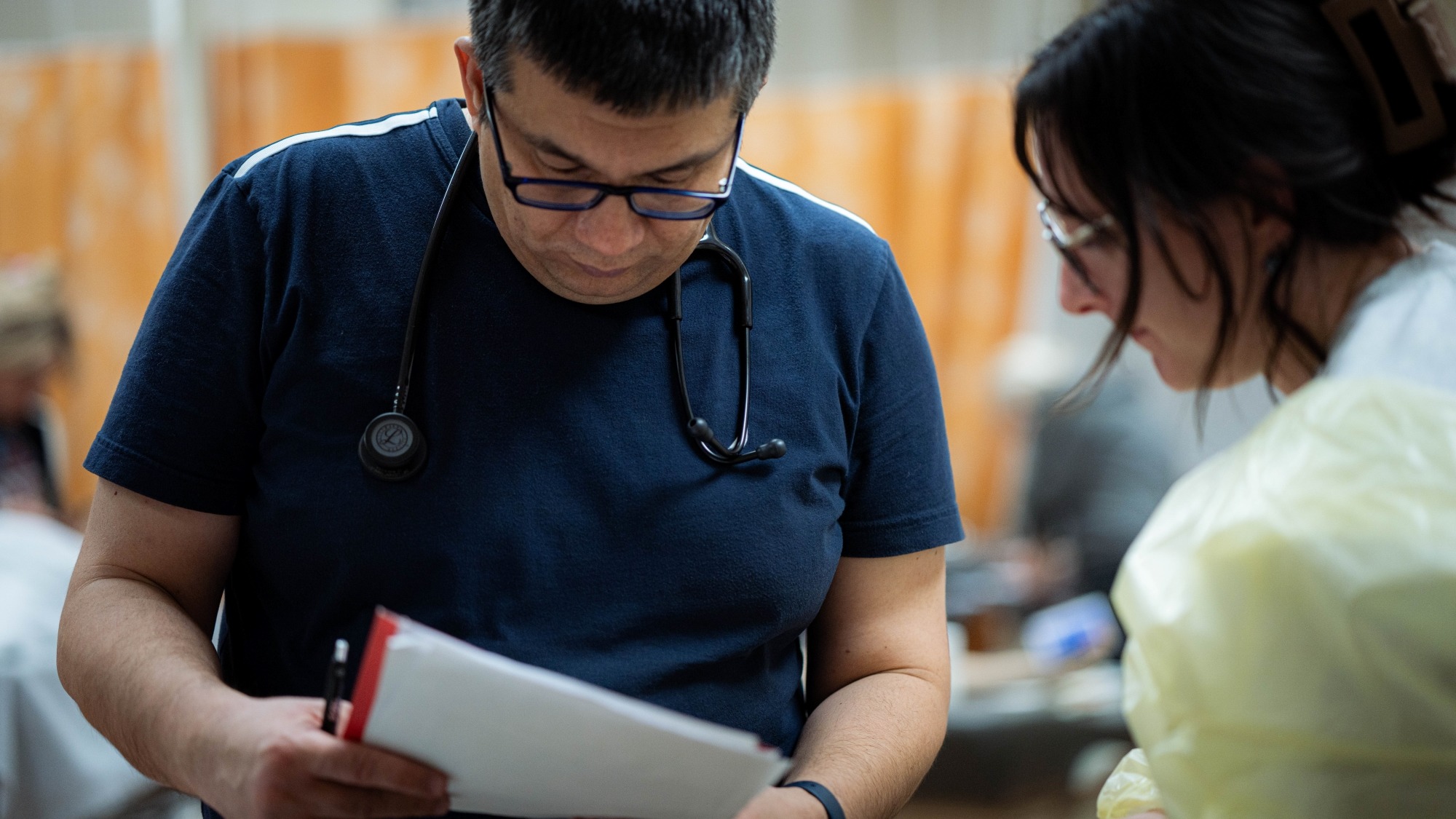
Hands-on experience is central to that growth. Students spend time in skills and simulation labs, where they practice clinical scenarios in controlled environments before entering real healthcare settings. Faculty members work continuously to refine those experiences, incorporating new technologies and updating scenarios to reflect current practice.
“We’re always trying to find out what’s new, what’s up and coming, so that we’re staying current,” said Dr. Cole.
Many faculty also continue to practice in clinical settings, bringing real-world insight directly into the classroom. Those connections extend to hospital partners, where students complete their clinical rotations. “You know, our clinical partners are saying they recognize Carlow nursing students apart from others,” she said. “I think it’s the care, the compassion, the empathy that our students are showing. They’re leaving that impact on the patients and the nurses that work there.”
The human-first perspective influences how students are taught to care for their patients, considering not just physical needs, but emotional and social ones as well. It also shapes how faculty approach their students. The same level of attention and care expected in clinical practice is reflected in the classroom.
“We’re rooted in Mercy values,” Cole said. “We want our nursing students to be compassionate. We’re not just nurses. We’re healers.”
From First Day to First Job
By the time students reach their senior year, the pieces begin to come together. Clinical experiences deepen, confidence grows, and the transition into the workforce begins to take shape. Students interview for positions, receive job offers, and prepare to take the NCLEX licensure exam.
“When they’re in the thick of it, sometimes it doesn’t feel like it’s worth it,” Dr. Cole said. “But then getting that feedback from them, hearing that they passed their NCLEX on the first try, that they’re in the workforce, it makes it all worth it.”
For Dr. Cole, those moments are personal. She has lived the same journey herself, from uncertain student to practicing nurse to educator and leader: “I feel like I’m where I’m supposed to be.”
Now, she helps guide the next generation through that same process, ensuring they leave not only with the knowledge and skills to succeed, but with the confidence to step into their roles. Students arrive with a goal. Over four years, they gain experience, build relationships, and grow into professionals ready to make an impact from the very start.
Interested in Becoming a Carlow Healer?
Contact Carlow University Admissions to Become a Celtic >>