-
Give

At Carlow University, the next generation of ethical leaders is already in the making.
Here, our students gain more than just a degree – they build connections, find purpose, and thrive – working in ways big and small to reshape the future. With your support, we can continue to invest in these future leaders and expand their ability to transform our world.
How You Can Support
At Carlow University, the next generation of ethical leaders is already in the making.
Here, our students gain more than just a degree – they build connections, find purpose, and thrive – working in ways big and small to reshape the future. With your support, we can continue to invest in these future leaders and expand their ability to transform our world.
How You Can SupportSister Mary Paul Hickey Educator Workshop Series
Continue Your Calling as an Educator
Named for the founder of Carlow’s Campus Laboratory School, this ongoing series invites educators to grow in both skill and spirit. Each workshop explores the art and science of teaching, helping educators reach every learner with compassion, creativity, and purpose.

In these workshops, you’ll gain:
- Practical, research-based strategies for your classroom
- Guidance from Carlow faculty and education leaders
- Opportunities to earn ACT 48 hours
- Connection with a caring community of educators
Education is more than instruction. It’s an act of service.
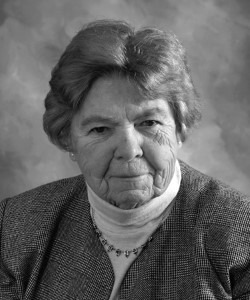
In 1963, Sister Mary Paul Hickey (1921-2019) founded The Campus School of Carlow University. She also taught as a lecturer, professor, and chair of the Department of Education. Later, she served in several positions at Carlow, including director of residence, chair of the Child Care Center, and executive director of Children’s Programs, until her retirement in 2006.
__________
DID YOU KNOW?
In 2025, Carlow announced the launch of its new College of Education and Social Work, a bold restructuring that unites two of its most value–driven disciplines under one academic home. The creation of the college reflects Carlow’s enduring commitment to serving the needs of children, families, and communities through seeing and supporting the whole student.
Workshops and Events
Designed by expert Carlow University faculty and staff and offered free of charge to the Pittsburgh community, our professional development workshops offer timely information for educators, parents, students, and community members alike. All workshops are online unless otherwise noted. ACT 48 hours will be available for all workshops.
Identifying Trauma/ Body-Based Grounding Practices
October 18, 2025 | 10:00-11:30 a.m. | Online
Instructor: Britt Dorazio, program deliverer at Awaken Pittsburgh
Join us online to explore how trauma can affect the body and mind, and learn to recognize its signs with compassion. Through grounding techniques and gentle movement, participants will practice ways to feel safer, more present, and connected in their bodies.
Building Resilient Classrooms: Trauma-Informed Strategies for Educators
November 6, 2025 | 6:00-7:30 p.m. | Online
Instructors: Dr. Ken Smythe-Leistico, Director of Field Education (MSW) and Associate Professor in the Department of Social Work at Carlow University
In today’s classrooms, students bring with them a wide range of life experiences; some of which include trauma, adversity, and chronic stress. These experiences can significantly impact behavior, learning, and relationships. This interactive training empowers educators with the knowledge, skills, and tools to create trauma-informed learning environments that promote safety, connection, and resilience.
Working with Students who Exhibit Challenging Behaviors
January 24, 2026 | 10:00-11:30 a.m. | Online
Instructor: Kristen Buonomo, PhD, BCBA, assistant professor of Special Education and Behavior Analysis at Carlow University’s College of Education & Social Work.
This training seeks to work with educators sharing practical tools and strategies to effectively respond to student behaviors that interfere with their learning. Participants will explore the functions of behaviors, the ‘why’ to help us understand the reasons we engage in the actions that we do.
Supporting Students on the Autism Spectrum
February 7, 2026 | 1:00-2:30 p.m. | Online
Instructor: Dr. Jennifer Do, Ed.D., ATR-BC, LPC, program director at the Watson Institute WISCA program
Teaching students on the autism spectrum requires equal parts knowledge, creativity, and heart. In this session, you’ll gain practical strategies to help students thrive academically, socially, and emotionally—whether you work in an inclusive setting or a specialized classroom.
Contact our Education Department
We’re here to help.
© Copyright 2026 Carlow University. All rights reserved.
Carlow University prohibits sex discrimination in any education program or activity that it operates. Individuals may report concerns or questions to the Title IX Coordinator, Jackie smith at jmsmith@carlow.edu or 412-578-6050.