
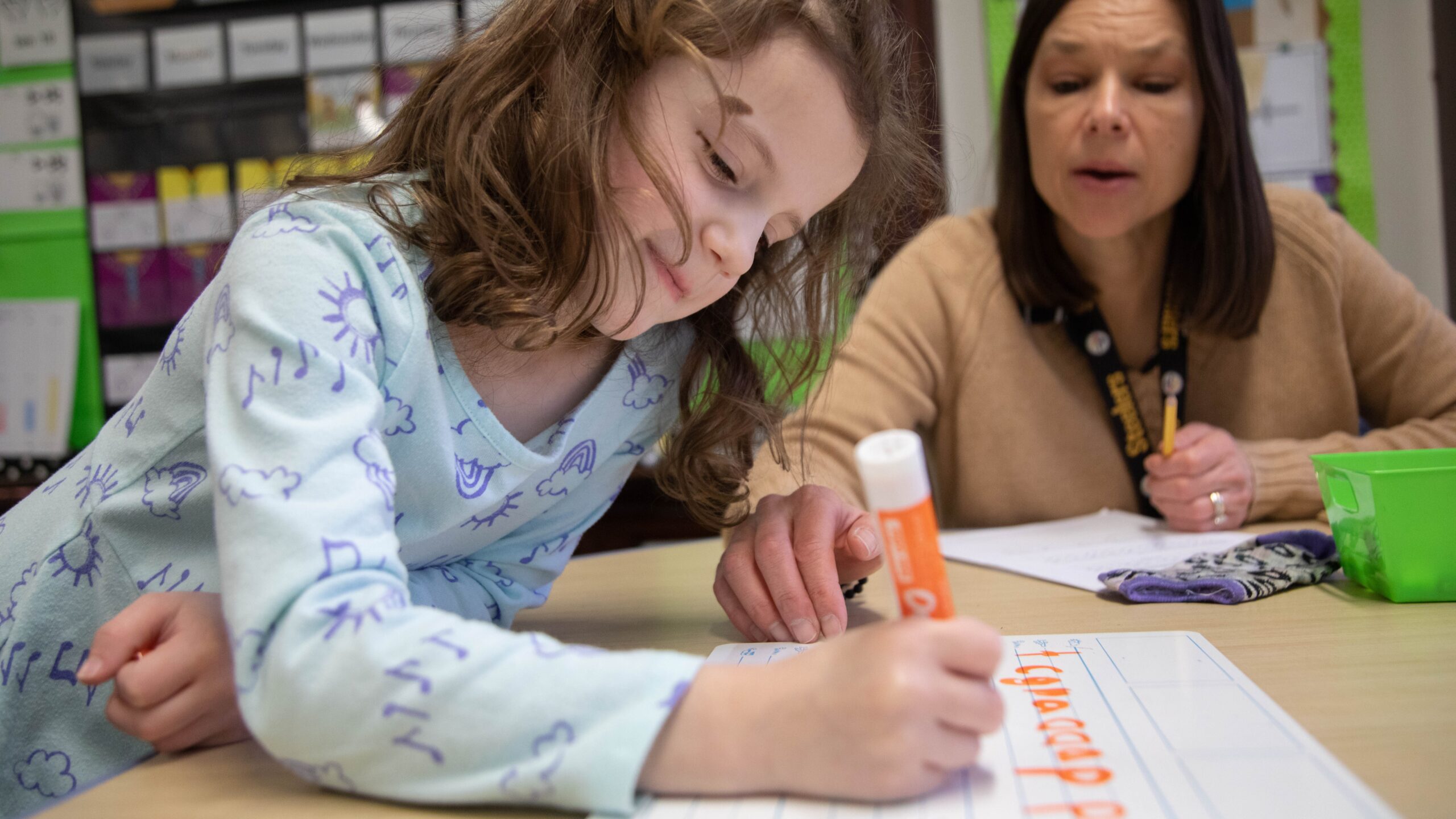
Imagine possessing remarkable ideas that can demonstrate abundant knowledge, only for them to be misconstrued and unintelligible when you attempt to transfer them onto paper. This is a glimpse into the life of an individual with dysgraphia.
On a surface level, dysgraphia is categorized as a learning disability that affects written expression. Because of this categorization, many mistakenly believe that dysgraphia simply causes poor handwriting. Although dysgraphia can interfere with an individual’s ability to write neatly, poor handwriting is not a true indicator of disability. Misconceptions like these and others often lead to students with dysgraphia remaining undiagnosed.
This also correlates to the idea that dysgraphia is only apparent if an individual has a diagnosis of another learning disability, such as dyslexia. While dyslexia relates to difficulties in reading, with some challenges involving the isolation of words or blending phonemes, dysgraphia involves difficulties in the act of physical writing, making it challenging to express ideas in written form (Kelly, 2022). Despite dysgraphia often coinciding with dyslexia, it can occur alone, and the symptoms of these learning disabilities can be easily confused, causing students with dysgraphia to go unnoticed.
Symptoms of dysgraphia can manifest physically and emotionally, often accompanied by visual and sensory challenges. This can involve the most common indicators, such as difficulties with legibility, spelling, writing production, and written expression. However, dysgraphia can be translated through the avoidance of writing tasks, emotional outbursts when given a writing task, and taking an excessive amount of time to complete a writing task. Visual and sensory symptoms can include poor fine motor skills such as difficulties with pencil grip and pencil pressure, processing difficulties, visual-spacial challenges, and visual memory deficits. These impediments can produce overwhelming feelings and hypersensitivity to materials that can easily cause visual and auditory overload, further impacting an individual’s ability to perceive and organize their thoughts effectively.
A crucial question remains: how can we support these students? Providing accommodations that involve preferential seating, extended time for writing, scaffolding during instruction, multimodal learning, and visual aids can positively impact a student with dysgraphia. When it comes to fine motor skills, assistive pencil grips such as the Writing Claw, L Grip, The OWL, and the Grotto Grip allow students to control the pencil and provide appropriate pressure with ease. Exposing students to dynamic seating such as wobble cushions and ball chairs in addition to the encouragement of resistive and squeeze toys, bubble wrap, and Play-Doh can build upon hand strength and activate postural muscles.
Carlow University’s Campus Lab School (CLS) Dyslexia Center and Learning Lab is particularly attuned to these types of student needs. Designed to serve students of all ages with language-based learning differences, CLS has a universally designed approach to learning with intentional classroom design, specialized instructional supports, and personalized interventions for students — this supports students with dysgraphia, as well as dyscalculia, dyslexia, and ADHD
Dysgraphia is estimated to affect anywhere from 5 to 20 percent of all children (CAE, 2022.) With our combined knowledge and efficient techniques, we can provide these students with the appropriate support to ensure that one day, they are able to put those brilliant thoughts onto paper.
Alyssa Grimm graduated from Indiana University of Pennsylvania in 2022 with a bachelor’s degree in early childhood education and is a graduate student at Carlow University in the special education department. She is a preschool teacher.
Sources:
CAE. (2022, August 16). How common is dysgraphia in children?. College of Allied Educators. https://cae.edu.sg/how-common-is-dysgraphia-in-children/
Kelly, K. (2022). The difference between dysgraphia and dyslexia. Understood. https://www.understood.org/en/articles/the-difference-between-dysgraphia-and-dyslexia