
In the operating room, some of the most important information is never spoken.
During complex surgeries, the brain, spinal cord, and nerves are constantly sending signals. Intraoperative Neurophysiological Monitoring professionals are trained to read those signals, recognize when something changes, and communicate critical information to the surgical team.
At Carlow, we believe science is more than the pursuit of knowledge. It is a way to serve, to care for others, and to use what you know to make a meaningful difference in someone’s life. Intraoperative Neurophysiological Monitoring brings that purpose into the operating room. It calls for curiosity and precision, but also compassion, courage, and an understanding of the responsibility that comes with caring for another person.
Here, you’ll learn to see beyond the signals on a screen to the person behind them. To bring together science and empathy. Knowledge and action. Purpose and possibility.
Because when you learn to hear what others can’t, you can become a voice for someone when they need it most.
IONM is about more than learning the science of the nervous system. It’s about understanding how that knowledge can be used to serve others.
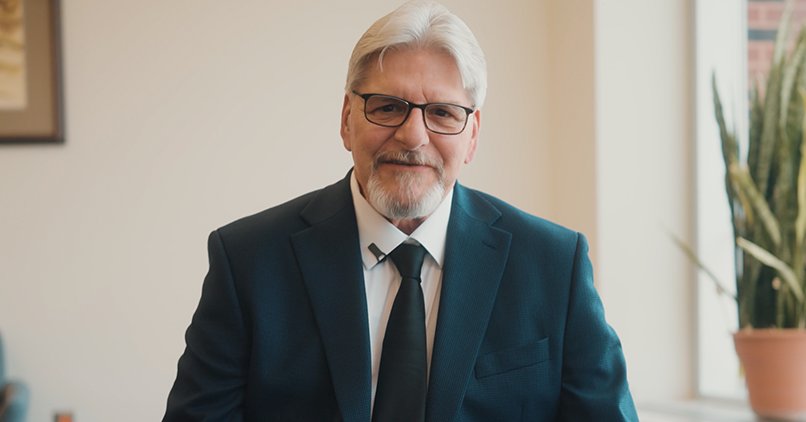
Hear University Dean Frank Ammer, PhD, discuss the vision behind the program, its potential impact, and how Carlow prepares students to bring knowledge, compassion, and purpose into the future of health care.
Carlow offers the only bachelor’s degree among ASET-listed IONM programs, creating a clear path from studying neuroscience to entering a highly specialized clinical profession.
Up to 100 Surgical Cases: Gain real-world experience through Carlow’s partnership with UPMC Procirca.
CNIM Preparation: Complete the clinical experience needed to pursue the ABRET CNIM certification exam.
A Career-Focused BS: Build your foundation in behavioral neuroscience while preparing for a defined role in healthcare.
What does becoming a surgical neurophysiologist actually look like?
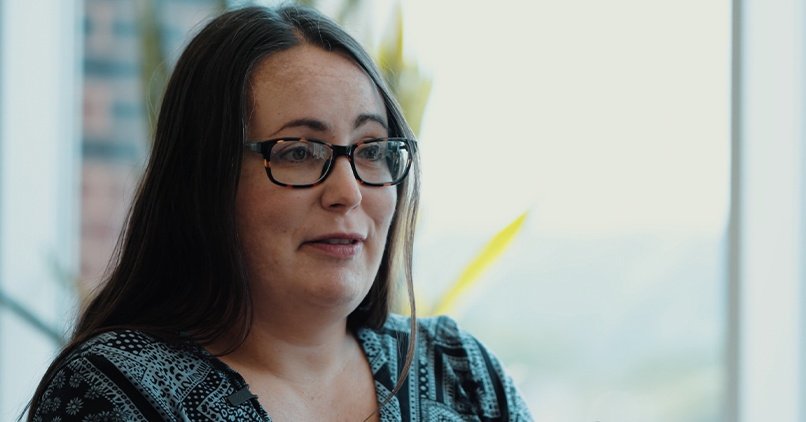
Hear Dr. Amy Romesberg, IONM Program Director, share how students move from learning the science to experiencing it in clinical settings, the relationship between students and instructors, and the impact graduates can make as part of a surgical team.
And become the surgical neurophysiologist the future needs.